Dreaming of a vibrant garden but limited on space? Container gardening is your solution. This guide will show you how to transform any balcony, patio, or sunny windowsill into a flourishing oasis. We’ll walk you through everything you need to know, from selecting the right pots and soil to choosing the perfect plants. Get ready to discover the joy of growing your own food and flowers, no matter the size of your home.
Why Choose Container Gardening?
Container gardening offers incredible flexibility and control, making it an ideal choice for both beginners and seasoned gardeners. You have complete authority over the soil, which means you can create the perfect environment for any plant you wish to grow. This method also minimizes weeding and reduces the risk of soil-borne diseases. For those in urban settings, it’s a game-changer, allowing you to cultivate a green thumb on a balcony or patio. It’s a simple, manageable way to get started with gardening.
Getting Started with Container Gardening: The Essentials
To ensure your success, you need to start with the right foundation. The three pillars of successful container gardening are the container itself, the soil you fill it with, and the amount of sunlight your space receives. Getting these three elements right from the start will save you from future headaches and lead to healthy, productive plants.
Choosing the Perfect Container
The world of containers is vast, but there are a few key principles to follow. The most critical feature of any container is drainage. Ensure your chosen pot has holes at the bottom to allow excess water to escape, preventing root rot. When it comes to material, terra cotta is classic and breathable but dries out quickly. Plastic pots are lightweight and retain moisture well, while fabric grow bags offer excellent aeration for roots. The size of the container matters, too; larger pots hold more soil and moisture, creating a more stable environment for your plants.
The Best Soil for Container Gardening
Never use soil directly from your yard for container gardening. It’s too heavy, compacts easily, and can contain pests or diseases. Instead, always opt for a high-quality potting mix. These mixes are specifically formulated to be light and fluffy, providing the perfect balance of moisture retention and drainage that container plants need to thrive. Look for a mix that contains ingredients like peat moss, perlite, and compost for a nutrient-rich start.
Sunlight: The Most Crucial Ingredient
Before you buy a single plant, take a day to observe the sunlight in your intended gardening spot. Most vegetables and flowering plants need at least 6-8 hours of direct sunlight per day to flourish. If your space is shadier, don’t despair! Many plants, like lettuce, spinach, and various herbs, do well with less light. Understanding your sun exposure is the key to choosing plants that will be happy and productive in your unique environment.
Best Plants for Your Container Garden
Now for the fun part: choosing what to grow! The possibilities are nearly endless, but some plants are particularly well-suited for life in a pot. Here are a few reliable options for beginners to get you started on your container gardening journey.
Easiest Vegetables and Herbs to Grow in Pots
There’s nothing more satisfying than harvesting your own food. Many vegetables and herbs thrive in containers. Determinate (or “bush”) varieties of tomatoes are a great choice. Leaf lettuce, spinach, and radishes are quick to grow and can be harvested multiple times. Herbs like basil, mint, rosemary, and parsley are exceptionally easy and do wonderfully in pots, providing fresh flavors right outside your kitchen door.
Beautiful Flowers for Containers
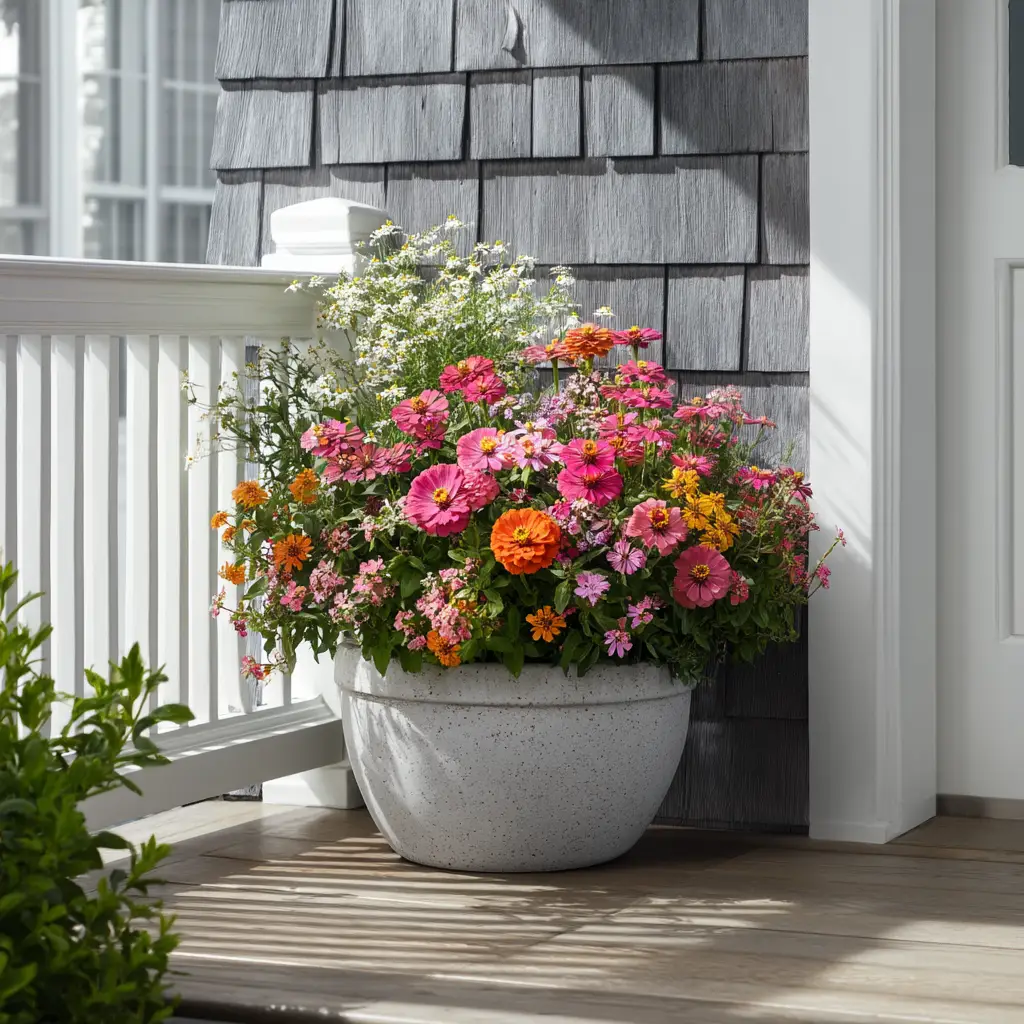
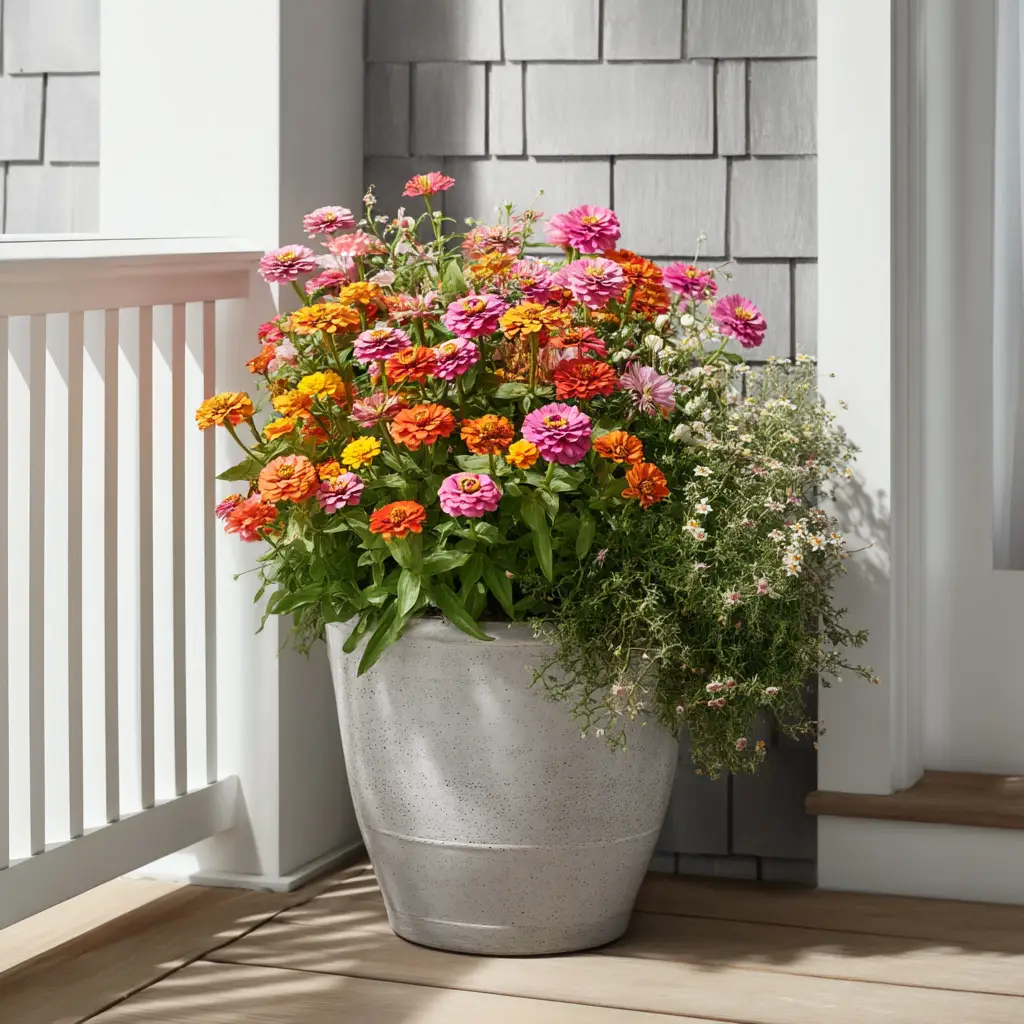
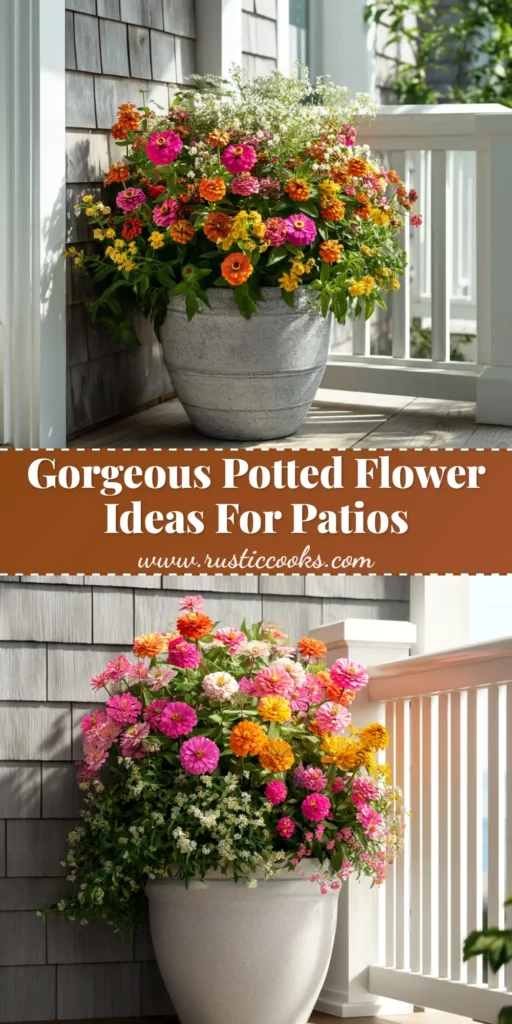
Flowers bring color and life to any space and attract beneficial pollinators. For sunny spots, you can’t go wrong with the vibrant blooms of petunias, geraniums, or marigolds. They provide a continuous show of color all season long. If you have a shadier location, consider impatiens or begonias, which will brighten up any corner with their lovely flowers.
Step-by-Step Guide to Planting Your Container Garden
Ready to get your hands dirty? Planting your container is a simple process. Follow these steps for a perfect start.
- Prepare Your Pot: If you’re using a terra cotta pot, soak it in water for an hour to prevent it from wicking moisture from the soil. Ensure the drainage holes are clear.
- Fill with Soil: Fill your container with potting mix until it’s about an inch or two from the rim. This space makes watering easier and prevents soil from overflowing.
- Plant Your Seedling or Seeds: Gently remove the plant from its nursery pot and loosen the roots slightly. Place it in your new container at the same depth it was growing previously. If planting seeds, follow the depth instructions on the seed packet.
- Water Thoroughly: Water your newly planted container until you see water running out of the drainage holes. This helps the soil settle and eliminates air pockets around the roots.
Caring for Your Thriving Container Garden
Once planted, your container garden will need consistent care to keep it looking its best. Regular watering and feeding are the keys to a long and productive season.
Watering Wisely
Containers dry out much faster than garden beds, especially on hot or windy days. Check the soil moisture daily by inserting your finger about an inch deep. If it feels dry, it’s time to water. Water slowly and deeply, allowing the soil to absorb the moisture, until it drains from the bottom. This encourages deep root growth.
Feeding Your Plants
The nutrients in potting mix get depleted over time as your plants grow and as you water. To keep your plants fed and happy, you’ll need to fertilize them. A balanced, all-purpose liquid fertilizer applied every 2-4 weeks according to the package directions is a great option for most plants.
From Pot to Plate: Recipes for Your Harvest
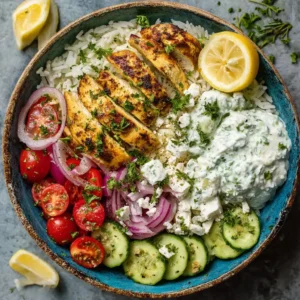
The greatest reward of container gardening is enjoying the delicious fruits of your labor. Growing your own herbs can elevate simple dishes into something special, like a flavorful garlic and herb bread. Once your tomatoes are ripe, you can use them in a comforting hearty tomato and white bean stew. And if you’ve grown your own peppers and onions, they’ll be the perfect addition to vibrant steak fajita bowls.
Frequently Asked Questions about Container Gardening
To start, choose a container with good drainage, fill it with high-quality potting mix (not garden soil), and select plants suited to the amount of sunlight your space receives. Water thoroughly after planting.
Check your containers daily, especially in warm weather. A good rule is to stick your finger one inch into the soil. If it feels dry, it’s time to water. Water until you see it running out of the drainage holes at the bottom.
Always use a specifically formulated potting mix for container gardening. It is lightweight, provides excellent drainage, and contains a balanced mix of organic matter like peat moss and perlite that plants need to thrive in a pot.
Many vegetables thrive in containers. Excellent choices for beginners include leaf lettuce, spinach, radishes, bush beans, and herbs like basil, mint, and parsley. For larger pots, determinate (bush) tomatoes and peppers also grow very well.
Your Green Thumb Awaits
Container gardening is a rewarding and accessible way to bring nature into your life. With the right container, soil, and a bit of care, you can create a beautiful and productive garden in the smallest of spaces. We hope this guide has inspired you to start your own container gardening adventure. Share your creations and find more inspiration on Pinterest!
Container Garden Recipe
Container Gardening: A Beginner's Ultimate Guide to Thriving Plants
Ingredients
Equipment
Method
- Fill your container with the potting mix until it is about 1-2 inches from the top rim.
- Gently remove the herb seedling from its original pot. Loosen the root ball with your fingers.
- Dig a small hole in the center of the potting mix and place your seedling inside. The top of its root ball should be level with the surrounding soil.
- Fill in the area around the seedling with more potting mix and gently pat it down to remove air pockets.
- Water the container thoroughly until water begins to run out of the bottom drainage holes. Place in a location that receives at least 6 hours of sunlight daily.
Notes
Begin fertilizing with a balanced liquid fertilizer after 3-4 weeks.