Mastering a perfectly cooked Sirloin Tip Roast is a culinary milestone for any enthusiastic home cook. When properly prepared, this lean and flavorful cut of beef transforms into a stunning centerpiece that rivals high-end steakhouse offerings. The secret lies in a masterful combination of aggressive seasoning, a high-heat stovetop sear, and a gentle oven finish.
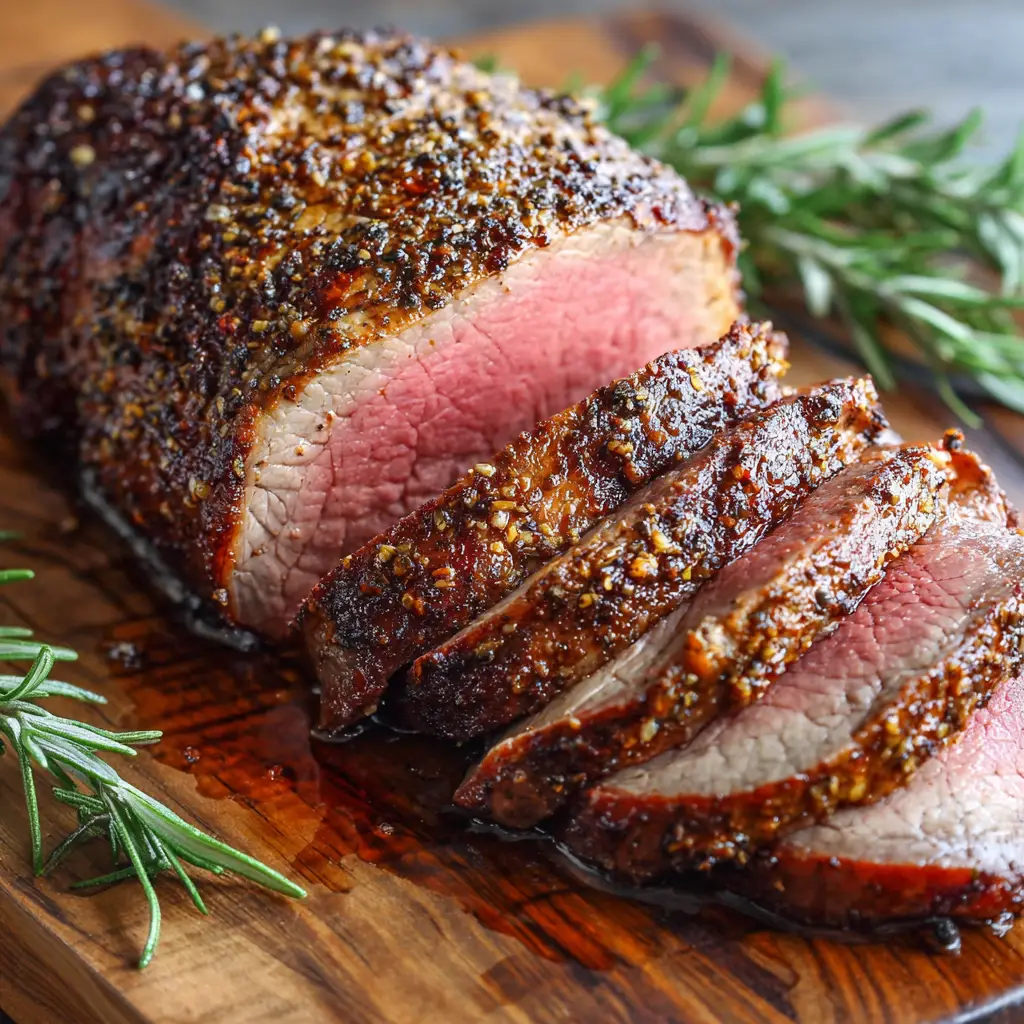
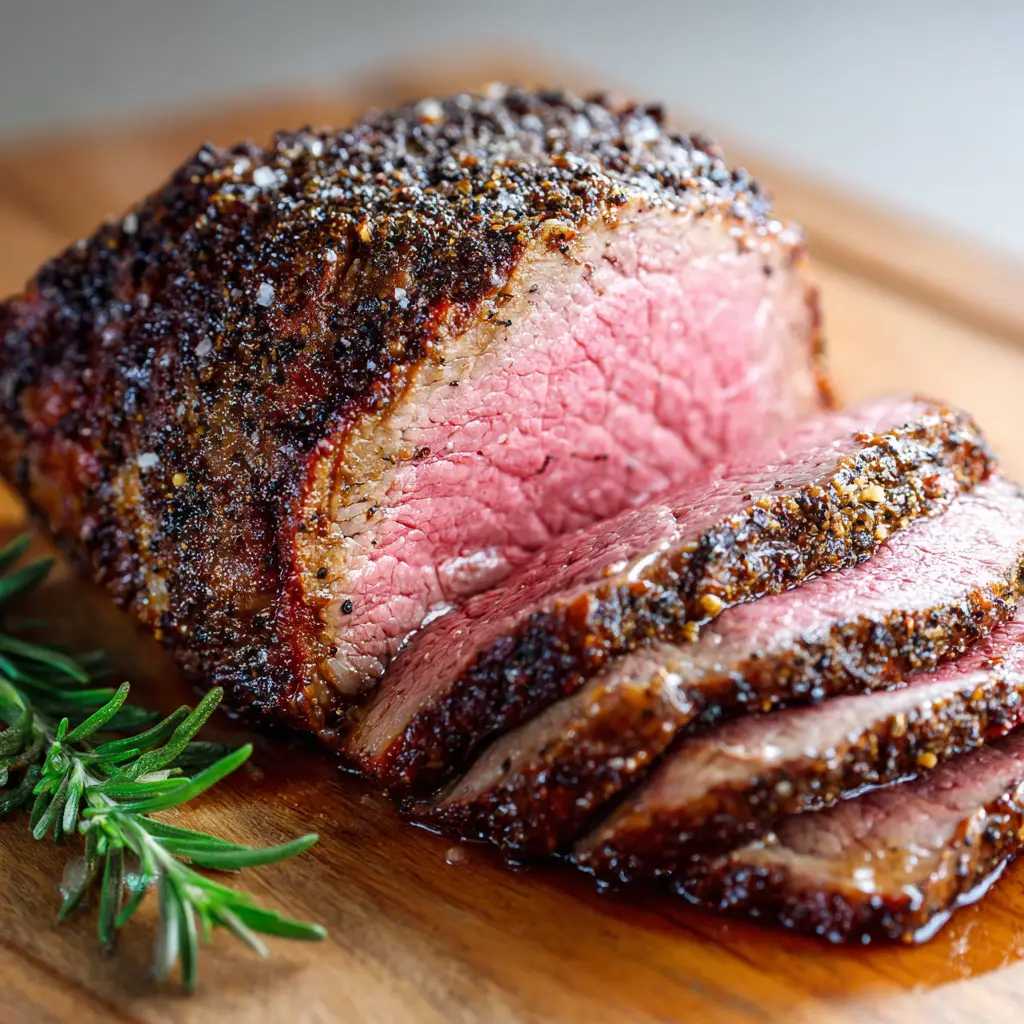
This recipe guarantees a dark brown, caramelized, and deeply seared outer crust. Beneath that heavily seasoned exterior lies a tender, juicy, and bright pink interior cooked to a flawless medium-rare.
Why This Oven-Roasted Sirloin Tip Roast Delivers Perfection
There is a distinct science to achieving the perfect textural contrast in a beef roast. This method maximizes flavor extraction while protecting the delicate interior structure of the meat.
- The Perfect Crust: An initial high-heat pan sear creates a deeply caramelized Maillard reaction on the surface.
- Aggressive Textural Seasoning: Coarse sea salt and cracked black pepper build a highly tactile, savory exterior bark.
- Precision Internal Temperature: By pulling the meat exactly at 130°F (54°C), we ensure a vibrant, bright pink medium-rare slice every single time.
- Aromatic Excellence: Dried herbs bloom in the residual cooking fats, deeply infusing the meat juices.
The Anatomy of a Deeply Seared Crust: Essential Ingredients
Achieving a photo-worthy roast requires a focused, high-quality ingredient list. Every element serves a distinct structural or flavor-enhancing purpose.
3 lbs (1.4kg) Sirloin Tip Roast: Choose a whole roast with a relatively uniform shape for even cooking. This lean cut benefits heavily from precise temperature control.
1.5 tbsp (22g) Coarse Sea Salt: The large crystalline structure of coarse sea salt draws out surface moisture and creates the necessary friction for a heavy crust.
1 tbsp (7g) Cracked Black Pepper: Freshly cracked pepper provides a sharp, aromatic bite that cuts through the richness of the savory meat juices.
1 tbsp (4g) Dried Thyme & 1 tbsp (4g) Dried Oregano: Dried herbs are scientifically superior here; they withstand the high-heat searing process without burning as quickly as fresh herbs.
2 tbsp (30ml) Olive Oil: This foundational, invisible ingredient acts as a conductive medium. It facilitates the heat transfer required to achieve that dark brown caramelized crust.
1 Fresh Rosemary Sprig: A vibrant, fresh green garnish that contrasts beautifully against the deeply roasted meat and provides a subtle, fresh aroma upon serving.
Essential Kitchen Tools for a Flawless Beef Roast
A few critical pieces of equipment will bridge the gap between an average dinner and a culinary masterpiece.
You will need a heavy-bottomed cast iron skillet to maintain the intense heat required for searing. A digital probe meat thermometer is non-negotiable for achieving that exact medium-rare center. Finally, a rustic wooden carving board with a juice groove is essential for resting and capturing those glistening savory meat juices.
Step-by-Step Guide to a Juicy, Medium-Rare Center
Step 1: The Dry Brine and Seasoning Process
Remove your Sirloin Tip Roast from the refrigerator at least 45 minutes before cooking. Use paper towels to pat the exterior completely dry, as surface moisture is the enemy of a good sear.
In a small bowl, combine the coarse sea salt, cracked black pepper, dried thyme, and dried oregano. Massage this heavy seasoning blend aggressively into all sides of the beef, ensuring no bald spots remain.
Step 2: Executing the Dark Brown Caramelized Sear
Preheat your oven to 325°F (165°C). Place a cast iron skillet over medium-high heat on the stovetop and add the olive oil.
Once the oil begins to shimmer and lightly smoke, carefully place the seasoned roast into the skillet. Listen for an aggressive sizzle. Sear undisturbed for 3-4 minutes per side until a dark brown, heavily caramelized crust forms.
Step 3: The Gentle Oven Roast
Transfer the skillet (or place the roast on a wire rack on a baking sheet) directly into the preheated oven. Roast until the internal temperature registers exactly 130°F (54°C) for a perfect medium-rare.
This process usually takes about 45 to 60 minutes, but rely strictly on your digital thermometer rather than the clock.
Step 4: The Crucial Resting Phase
Remove the beef from the oven and transfer it immediately to a rustic wooden carving board. Do not tent it tightly with foil, as the trapped steam will soften your hard-earned crust.
Let the meat rest for exactly 20 minutes. This allows the muscle fibers to relax and reabsorb the internal liquids, preventing them from bleeding out upon slicing.
Step 5: Slicing and Presentation
Using a sharp carving knife, slice the beef thinly across the grain. The interior should be juicy, tender, and distinctly bright pink.
Allow the glistening savory meat juices to pool lightly on the wood grain. Place a fresh green rosemary sprig beside the slices for a striking visual contrast before serving.
Culinary Forensics: Troubleshooting Your Sirloin Tip Roast
Even experienced cooks can encounter hurdles. Here is how to guarantee success:
- My crust is pale and grey: You likely did not pat the meat dry enough, or your skillet was not hot enough before adding the beef. Surface moisture creates steam, which prevents searing.
- The herbs burned and taste bitter: If your stovetop burner runs exceptionally hot, the dried herbs can scorch. Lower the heat slightly during the sear, ensuring you are browning, not burning.
- The meat is tough and chewy: This cut is lean. If cooked past medium (140°F/60°C), it will become tough. Always pull the meat from the oven 5 degrees before your target temperature, as carryover cooking will do the rest.
- All the juices ran out when slicing: You did not let the meat rest long enough. A full 20-minute rest is mathematically required for a 3 lb (1.4kg) roast to stabilize.
Maximizing Shelf Life: Storing and Reheating
Proper storage ensures your leftover beef remains tender for sandwiches or salads later in the week.
Store cooled, unsliced portions tightly wrapped in butcher paper or plastic wrap in the refrigerator for up to 4 days. If slicing ahead of time, store the slices in an airtight container draped with some of the leftover savory meat juices to retain moisture.
To reheat without overcooking, gently warm slices in a skillet over low heat with a splash of beef broth. Avoid the microwave, which will instantly turn your medium-rare beef into a well-done, rubbery disappointment.
Curating the Ultimate Sunday Dinner Plate
A spectacular beef roast deserves equally impressive accompaniments. Balance the rich, savory flavors of the meat with smart side dishes.
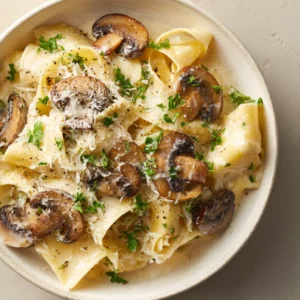
For a hearty, comforting meal, serve this alongside a rich creamy mushroom parmesan pasta. If you prefer a lighter, more vibrant pairing, a Mediterranean quinoa salad offers excellent acidic contrast.
To start the evening, a warm bowl of creamy cauliflower soup sets a sophisticated tone. Finally, finish your classic Sunday dinner with freshly baked easy chocolate chip cookies for a guaranteed crowd-pleaser.
Frequently Asked Questions About Roasting Beef
You should remove the beef from the oven when the thickest part registers exactly 130°F (54°C) on a digital meat thermometer. Carryover cooking during the resting phase will finish it perfectly.
It is highly recommended to use dried thyme and oregano for this specific recipe. The initial high-heat stovetop sear will instantly burn fresh herbs, making them bitter. Save fresh herbs, like a rosemary sprig, for garnishing.
Yes, resting is absolutely mandatory. Allowing the meat to rest for 20 minutes lets the muscle fibers relax and reabsorb the savory meat juices. Slicing too early will cause the juices to bleed out, resulting in dry meat.
For the best textural results, start with a high-heat pan sear on the stovetop to build a crust, then transfer the roast to a 325°F (165°C) oven to gently bring the interior up to your desired doneness.
Sirloin tip is a lean cut that lacks the intermuscular fat of a ribeye. If it is cooked past medium (140°F/60°C) or sliced with the grain rather than across it, the muscle fibers will become very tough.
The Complete Sirloin Tip Roast Recipe
The Ultimate Medium-Rare Sirloin Tip Roast Recipe
Ingredients
Equipment
Method
- Remove the Sirloin Tip Roast from the refrigerator 45 minutes before cooking. Thoroughly pat the exterior completely dry with paper towels.
- Combine the coarse sea salt, cracked black pepper, dried thyme, and dried oregano. Massage this seasoning heavily into all sides of the beef.
- Preheat your oven to 325°F (165°C). Place a cast iron skillet over medium-high heat on the stovetop and add the olive oil.
- Once the oil is shimmering, place the roast in the skillet. Sear undisturbed for 3-4 minutes per side until a dark brown, caramelized crust forms.
- Transfer the skillet (or place roast on a wire rack) into the preheated oven. Roast for 45-60 minutes until the internal temperature reaches exactly 130°F (54°C).
- Transfer the meat to a rustic wooden carving board and let it rest undisturbed for 20 minutes. Slice thinly against the grain. Garnish with a fresh rosemary sprig.
Notes
Never skip the 20-minute rest, or your savory meat juices will bleed out and leave the roast dry.
We hope this detailed guide helps you achieve the perfect medium-rare beef centerpiece for your next gathering.
Join Our Rustic Cooks Community
Did this recipe help you achieve that perfect caramelized crust? We want to hear about your culinary successes! Leave a five-star rating and a comment in the recipe card below.
Don’t forget to share your beautifully sliced roast photos on social media. For more incredible dinner inspiration, be sure to pin this recipe and follow us on Pinterest.