There is a specific, undeniable magic in a perfect bowl of Egg Fried Rice. You know the one—where every single grain of jasmine rice is distinct, fluffy, and kissed by the smoky breath of a hot wok. It is a dish that relies on simplicity, yet demands a mastery of texture and timing to achieve that iconic light golden-brown soy sauce tint.
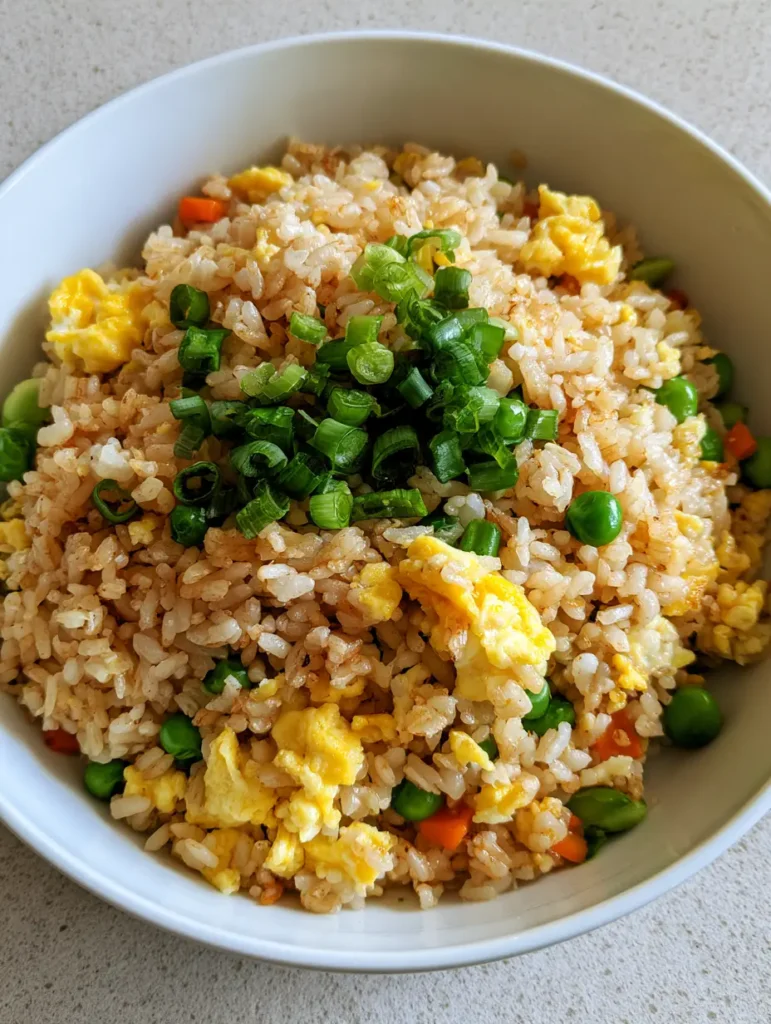
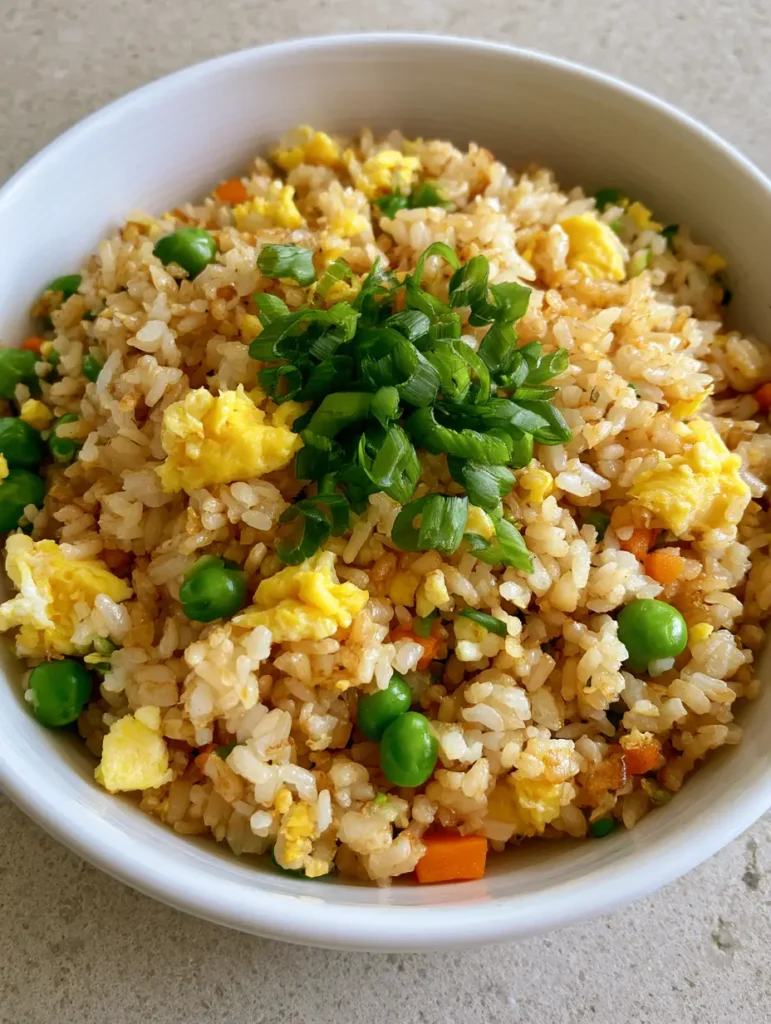
When you look at a bowl of professionally prepared Egg Fried Rice, you should see a vibrant mosaic of colors. Bright yellow scrambled egg clusters nestled against sweet green peas, small diced orange carrots, and a generous flourish of freshly sliced green scallions. The rice shouldn’t be greasy; instead, it should boast a delicate sesame oil sheen that catches the light of a sunny kitchen.
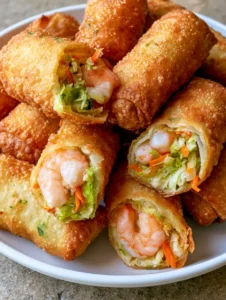
In this comprehensive guide, we are going to break down the culinary science of stir-frying. We will move beyond the basic “toss and stir” method to explore how to achieve the toasted, savory depth that separates a mediocre side dish from a handheld smartphone photo-worthy masterpiece. Whether you are serving this as a main or pairing it with crispy shrimp egg rolls, the results will be consistently spectacular.
Why This Egg Fried Rice Recipe Works Every Single Time
- Distinct Grain Definition: By using chilled, day-old jasmine rice, we ensure the grains remain firm and “toasty” rather than mushy or clumped together.
- Visual Contrast: The combination of vibrant orange carrots and bright green peas provides a fresh pop against the savory golden-brown rice grains.
- Textural Balance: We achieve soft, pillowy scrambled egg curds that are cooked separately and folded in at the end to maintain their bright yellow integrity.
- Aromatic Depth: The foundational use of toasted sesame oil and high-quality soy sauce creates a complex, savory profile that lingers on the palate.
The Essential Components for Restaurant-Quality Egg Fried Rice
To achieve the specific visual and flavor profile described in our blueprint, every ingredient must serve a structural or chemical purpose. We aren’t just tossing things in a pan; we are building layers of flavor.
3 cups (approx. 500g) Cooked Jasmine Rice: This must be cold and dry. Jasmine rice is preferred for its floral aroma and slightly sticky-yet-firm texture when fried.
3 Large Eggs: These provide the rich, fatty contrast to the grains. We whisk them thoroughly to ensure those bright yellow clusters stand out visually.
1/2 cup (75g) Diced Carrots: Cut these into small, uniform cubes. This ensures they soften at the same rate the rice toasts, providing a sweet crunch in every bite.
1/2 cup (75g) Sweet Green Peas: Use frozen peas for the best color retention. They should be vibrant green, popping against the light golden-brown tint of the seasoned rice.
3 tbsp (45ml) Neutral Oil: Use vegetable or canola oil. You need an oil with a high smoke point to achieve the “toasted” grain effect without the oil breaking down and becoming bitter.
2 tsp (10ml) Toasted Sesame Oil: This is for the finish. It provides that characteristic light sesame oil sheen and an unmistakable nutty aroma.
2 tbsp (30ml) Low-Sodium Soy Sauce: This provides the salt and the color. We want a light golden-brown tint, not a dark, heavy saturation.
1/4 tsp (1.5g) White Pepper: Unlike black pepper, white pepper provides a sharp, floral heat that blends seamlessly into the rice without leaving dark specks.
3-4 Green Scallions: Sliced thin on a bias. The whites go in for flavor; the greens are saved for that “generous sprinkle” of fresh garnish.
Tools Required for the Perfect Stir-Fry
Achieving the distinct grains seen in our handheld smartphone photo requires the right heat distribution. A well-seasoned carbon steel wok is the gold standard because it allows for high-heat searing and easy tossing. However, a large cast-iron or heavy-bottomed stainless steel skillet will also work if you keep the ingredients moving.
You will also need a wide metal spatula. This allows you to “cut” through the rice and flip it effectively, ensuring the soy sauce seasoning is distributed evenly without crushing the grains into a paste. If you enjoy this cooking style, you might also want to try making a coconut chicken rice bowl for a different take on grain-based comfort food.
Step-by-Step Evolution of the Perfect Egg Fried Rice
Phase 1: Preparing the Scrambled Egg Curds
Heat 1 tbsp (15ml) of neutral oil in your wok over medium-high heat. Whisk your eggs with a pinch of salt until no streaks of white remain. Pour the eggs into the hot oil; they should sizzle immediately and puff up. Use your spatula to gently push the cooked edges toward the center, creating large, soft yellow clusters. Remove the eggs while they are still slightly glossy—they will finish cooking in the residual heat. Set them aside.
Phase 2: Searing the Aromatics and Vegetables
Wipe the wok and add another 1 tbsp (15ml) of oil. Crank the heat to high. Add your diced orange carrots and the white parts of the scallions. Stir-fry for 2 minutes until the carrots are tender-crisp and the scallions smell fragrant. Add the sweet green peas during the last 30 seconds to preserve their vibrant green color and prevent them from wrinkling.
Phase 3: The High-Heat Rice Toast
This is the most critical step for Egg Fried Rice. Add the remaining oil and then the cold jasmine rice. Use your spatula to break up any large clumps. Spread the rice across the surface of the wok and let it sit for 30 seconds without moving it. You want to hear a crackling sound; this is the moisture leaving the grains and the starch beginning to toast. Flip and repeat until the rice grains look distinct and slightly translucent.
Phase 4: Seasoning and Finishing Touches
Drizzle the soy sauce around the edges of the wok, not directly onto the rice. This allows the sauce to caramelize slightly before you toss it in, resulting in that beautiful light golden-brown soy sauce tint. Sprinkle in the white pepper. Add the scrambled egg curds back into the wok, along with the sesame oil. Toss everything together for 60 seconds until the sesame oil creates a light sheen over the dish.
Expert Tips for Flawless Grain Separation
- The “Old Rice” Rule: Freshly cooked rice contains too much surface moisture. If you must use fresh rice, spread it out on a baking sheet and place it in front of a fan for 30 minutes to dehydrate the exterior of the grains.
- Wok Hei (Breath of the Wok): To get that “toasted” flavor, keep your heat as high as your stove allows. The goal is to sear the rice, not steam it.
- Don’t Over-Sauce: Too much soy sauce will make the rice soggy and gray. Use just enough to achieve a golden hue. If you need more salt, use a pinch of kosher salt instead of more liquid.
- Cold Oil, Hot Wok: Heat the wok until a bead of water evaporates instantly, then add the cold oil. This creates a non-stick surface naturally.
Storing and Reheating Your Leftovers
Egg Fried Rice stores beautifully, making it a premier meal-prep option. Place leftovers in an airtight container and refrigerate for up to 3 days. To reheat, avoid the microwave if possible, as it can make the rice rubbery. Instead, add a teaspoon of water to a skillet, add the rice, and cover with a lid for 2 minutes on medium heat. This steams the grains back to life while maintaining the toasted exterior.
You can also freeze fried rice for up to a month. Ensure it is completely cold before placing it in a freezer-safe bag. To serve, thaw overnight in the fridge and follow the skillet reheating method described above. It pairs excellently with leftovers from a chicken ramen with garlic sauce for a full fusion feast.
What to Serve with Your Golden Rice
While this Egg Fried Rice is a star on its own, it plays well with others. For a vegetable-heavy meal, try serving it alongside crispy air fryer green beans. The snap of the beans complements the soft egg curds perfectly.
If you are looking for a complete Asian-inspired spread, consider starting with a hot bowl of soup or some dumplings. The versatility of jasmine rice means it can also be a side for heavier proteins like grilled chicken or even a spicy stir-fry. If you have extra rice, you might even consider using it in a sourdough discard naan wrap for a unique fusion lunch.
Frequently Asked Questions
It is not recommended as fresh rice contains too much moisture, leading to a mushy texture. If you must use fresh, spread it on a tray and air-dry it under a fan for 30 minutes before cooking.
Scramble the eggs separately first until they form large yellow curds, then remove them. Fold them back into the rice at the very end of the cooking process.
While optional, toasted sesame oil provides the signature aroma and a light sheen that makes the dish look and taste professional.
Jasmine rice is the gold standard for Egg Fried Rice because it offers a floral aroma and a sturdy grain that holds up well to high-heat stir-frying.
Gray rice usually happens from using too much soy sauce or not enough heat. High heat caramelizes the sugars in the soy sauce, creating that beautiful golden-brown tint.
The Ultimate Egg Fried Rice Recipe
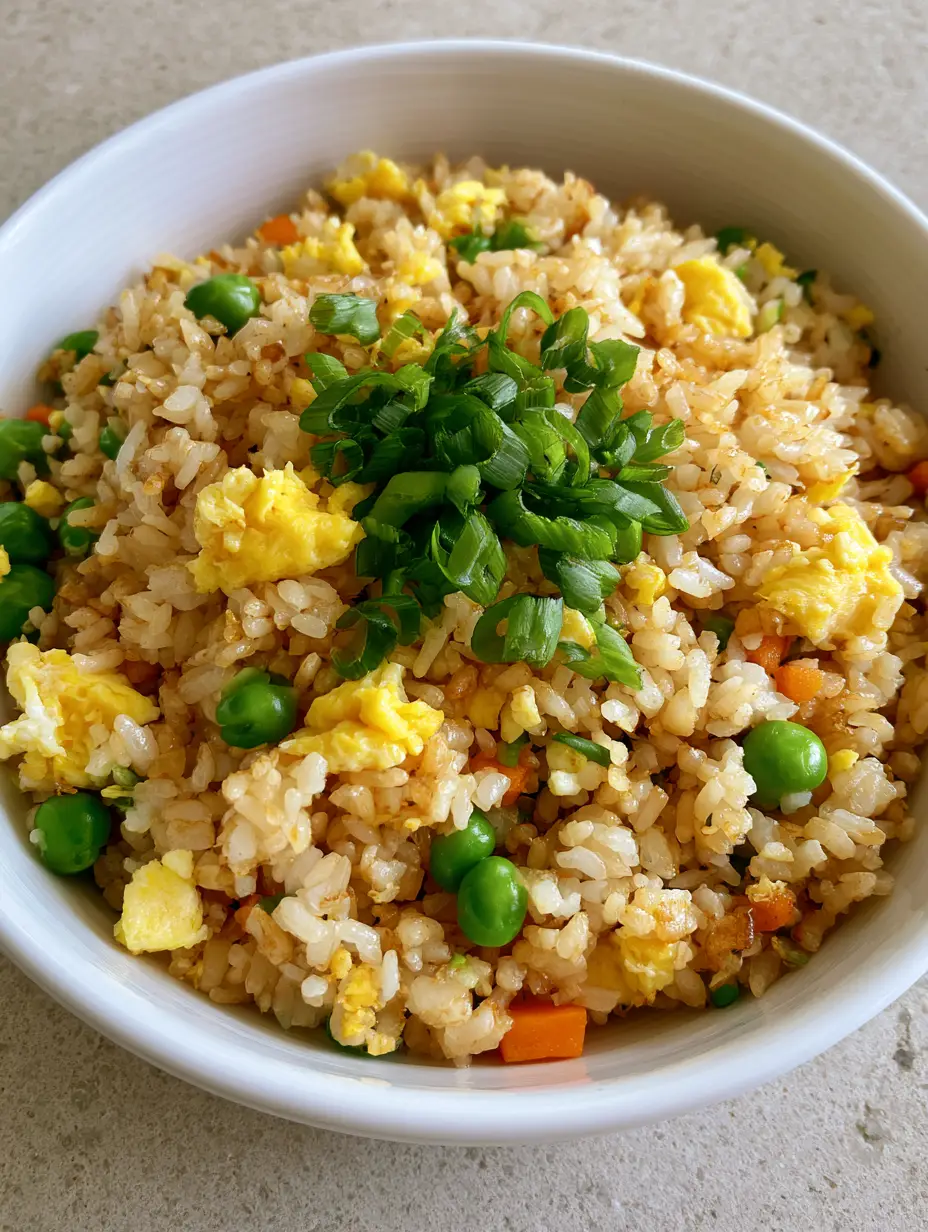
Egg Fried Rice: The Secret to Fluffy, Restaurant-Style Grains at Home
Ingredients
Equipment
Method
- Heat 1 tbsp oil in a wok. Pour in whisked eggs and scramble into large bright yellow clusters. Remove and set aside.
- Add 1 tbsp oil to the wok. Sauté carrots and scallion whites until tender. Add peas for the last 30 seconds.
- Add remaining oil and cold rice. Spread thin and let sear for 30 seconds until grains are toasted and distinct.
- Drizzle soy sauce around the edges. Add eggs, sesame oil, and white pepper. Toss until rice has a light golden-brown tint and sesame sheen.
Notes
High heat is essential for the toasted 'wok hei' flavor.
Wrapping Up: Your Path to Fried Rice Perfection
Mastering Egg Fried Rice is a rite of passage for every home cook. By focusing on the visual cues—the light golden-brown tint, the fluffy jasmine grains, and the vibrant vegetable colors—you transform a simple bowl of rice into a culinary event. This dish proves that with the right technique, simple ingredients like eggs and peas can become extraordinary.
Did you achieve that perfect toasted crunch? We want to see your creations! Share your photos on social media and be sure to pin this recipe to your favorite boards on Pinterest. Happy wok-tossing!