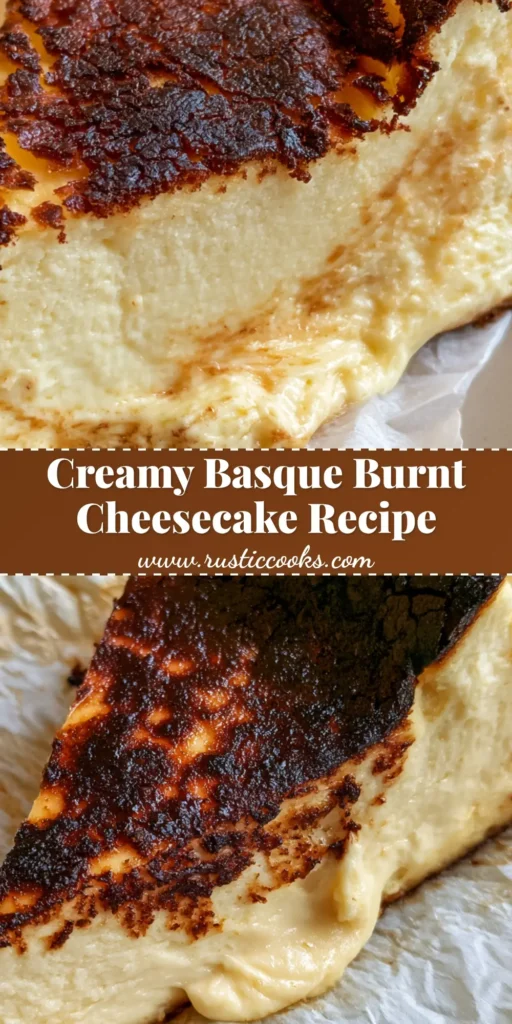
The San Sebastian Burnt Cheesecake is a culinary phenomenon that defies every traditional rule of baking. Forget the graham cracker crusts and the gentle water baths; this iconic Basque dessert thrives on high heat and intentional imperfection. With its deeply caramelized, nearly black top and a center that remains incredibly creamy and ivory-toned, it is a masterclass in texture and flavor contrast.
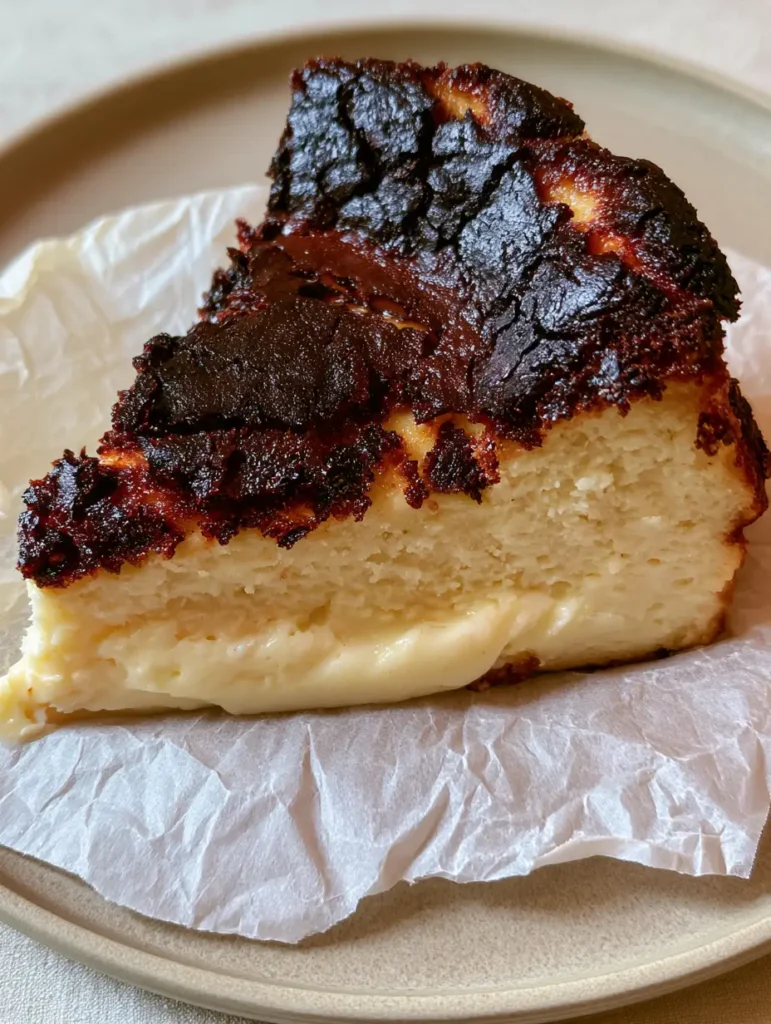
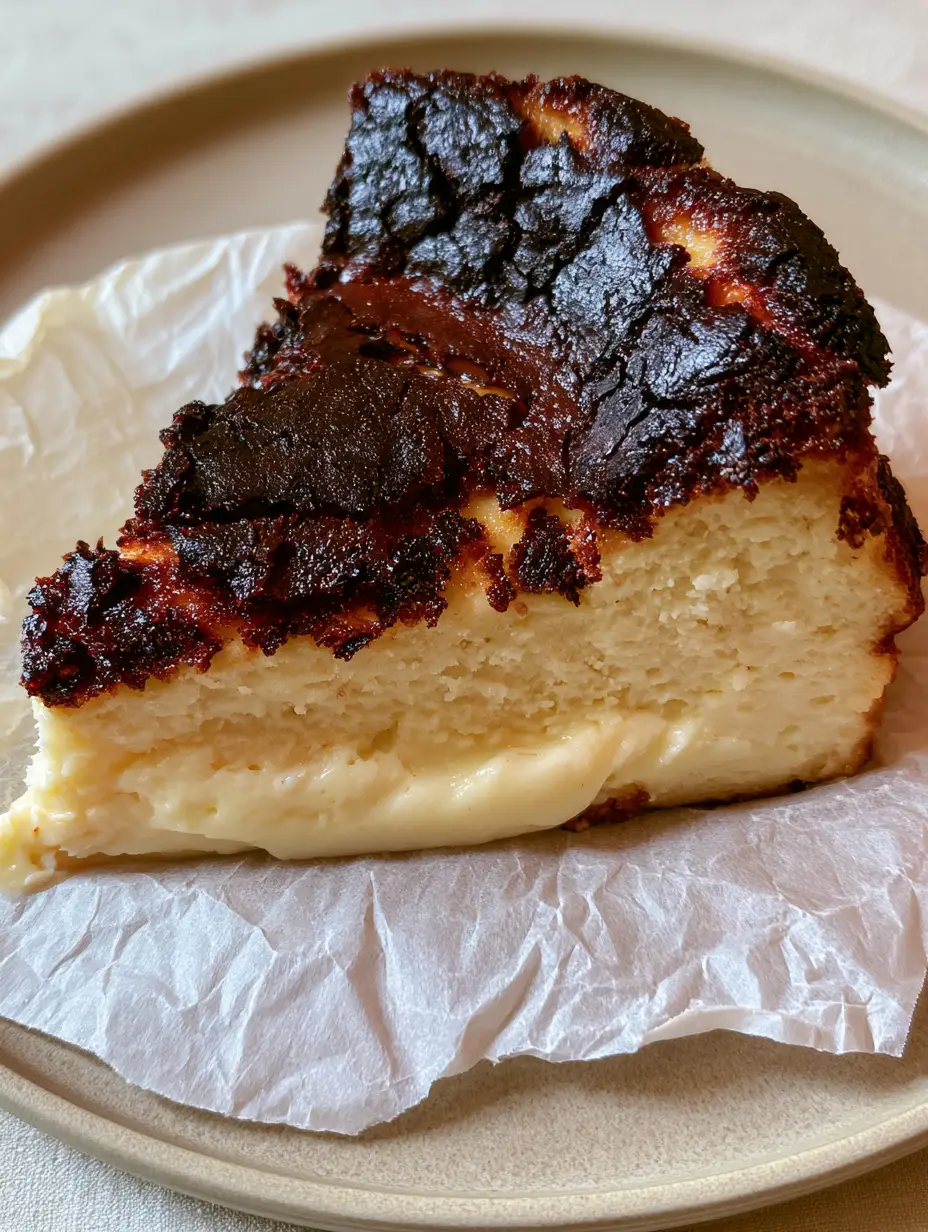
Originating from the La Viña bar in Spain, this recipe has captured the hearts of home cooks globally. The beauty of a San Sebastian Burnt Cheesecake lies in its rustic, cracked texture and those uneven, crustless edges that look stunning on a simple ceramic plate. It is the perfect marriage of a scorched, smoky exterior and a thick, velvety, custard-like consistency within.
If you have ever been intimidated by traditional cheesecakes, this is the recipe for you. There is no worrying about surface cracks because the cracks are part of the aesthetic. As you slice through the charred surface into the pale ivory interior, you’ll realize why this handheld-style, rustic dessert is the reigning king of the dessert world.
Why You Will Crave This Rustic Basque Masterpiece
- Visual Contrast: The strike between the nearly black, caramelized top and the pale ivory center is a showstopper for any dinner party.
- Custard-Like Texture: Unlike dense New York styles, this cheesecake features a gooey, velvety center that practically melts on your tongue.
- Effortless Presentation: The use of crumpled white parchment paper creates those signature rustic, uneven edges that require zero decorating skills.
- Sophisticated Flavor: The high-heat bake introduces notes of salted caramel and toasted marshmallow that balance the tang of the cream cheese perfectly.

Essential Components for a Gooey Ivory Center
Full-Fat Cream Cheese: You need 2 lbs (900g) of high-quality, room-temperature cream cheese. This provides the foundational structure and that unmistakable tangy richness required for the San Sebastian Burnt Cheesecake.
Granulated Sugar: 1 1/4 cups (250g) of sugar are essential not just for sweetness, but to achieve that deep caramelization on the top surface during the high-heat bake.
Large Eggs: 6 large eggs (approx. 300g) act as the emulsifier, giving the cheesecake its thick, velvety body while maintaining a slightly gooey, custard-like consistency in the center.
Heavy Cream: 2 cups (480ml) of heavy cream (minimum 35% fat) ensure the interior remains silky and pourable before baking, leading to a soft, luscious finish.
All-Purpose Flour: Just 1/4 cup (30g) of flour is used to stabilize the proteins, preventing the cake from collapsing entirely while keeping the edges rustic and firm.
Salt and Vanilla: A pinch of sea salt (5g) and 1 tsp (5ml) of vanilla extract are “invisible” essentials that brighten the dairy notes and deepen the scorched sugar aroma.
Professional Kitchen Tools for a Rustic Finish
To achieve the visual cues from our blueprint, you will need a 9-inch (23cm) springform pan. This allows for easy removal without damaging the delicate, crustless edges. The most important tool, however, is high-quality parchment paper. You must use two large sheets, overlapping and crumpled, to line the pan; this creates the iconic folds and uneven texture seen in professional San Sebastian Burnt Cheesecake photos.
A stand mixer or electric hand mixer is also vital. You need to aerate the cream cheese just enough to keep it light, but not so much that you introduce large air bubbles that could ruin the velvety, ivory interior. Finally, a simple neutral-toned ceramic plate is the best way to showcase a slice against the white parchment.
The Art of the Scorch: Step-by-Step Instructions
Preparing the Rustic Parchment Liner
Preheat your oven to 400°F (200°C). Take two large sheets of parchment paper and crumple them into balls, then flatten them out. Lay them into your 9-inch (23cm) springform pan, overlapping them so the paper extends at least 2 inches above the rim. Press the paper into the corners, but leave the pleats and folds; these create the rustic, cracked texture on the sides of the cheesecake.
Mixing the Creamy Ivory Batter
In a large bowl, beat the room-temperature cream cheese and sugar until the mixture is completely smooth and the sugar has dissolved. Add the eggs one at a time, mixing on low speed until just incorporated. Sift in the flour and salt, then slowly pour in the heavy cream and vanilla. Mix until the batter is fluid and pale ivory, resembling a thick pancake batter.
Achieving the Deeply Caramelized Top
Pour the batter into the prepared pan and tap it firmly on the counter to release any large air bubbles. Place the pan in the center of the oven and bake for 45 to 55 minutes. Watch for the visual cues: the top should be deeply caramelized, nearly black in spots, and the cheesecake should still have a significant jiggle in the center when shaken gently.
The Critical Cooling Phase
Remove the cheesecake from the oven and place it on a wire rack. It will be puffed up like a souffle but will fall as it cools, creating a rustic, sunken center. Let it cool completely in the pan at room temperature. This patience is what ensures the interior stays velvety and custard-like rather than becoming dry or rubbery.
Expert Tips for a Perfect Basque Result
- Room Temperature is Key: Ensure your cream cheese and eggs are at room temperature to avoid lumps in your pale ivory interior.
- Don’t Fear the Burn: The “burnt” top is actually caramelized sugar; if it looks like you’ve ruined it, you’ve likely done it perfectly!
- The Wiggle Test: If the center doesn’t jiggle like jelly when you pull it out, it is overbaked. The center sets as it cools to create that gooey consistency.
- Slice with Heat: For clean slices that show off the contrast between the dark top and ivory center, dip your knife in hot water and wipe it clean between every cut.
Pairing Your Cheesecake with Other Delights
While this San Sebastian Burnt Cheesecake is a star on its own, it pairs beautifully with other rustic treats. If you are hosting a dessert spread, consider adding a decadent chocolate pistachio tart or some honey pistachio cheesecake bars for a variety of textures. For those who prefer a bit of crunch, these salted caramel pretzel cheesecake bites offer a great salty-sweet balance.
If you’re serving this as part of a larger meal, the creamy dairy notes of the cheesecake provide a cooling finish to spicy dishes like a buffalo ranch chicken pasta bake or a vibrant cauliflower shawarma bowl.
Frequently Asked Questions
While a springform pan is easiest, you can use a regular deep cake pan. However, you must ensure the parchment paper handles are long enough to lift the cheesecake out carefully once it is completely cold.
For the best custard-like texture, it is served at room temperature on the day it’s made. However, leftovers must be refrigerated and can be enjoyed cold or brought back to room temp later.
Yes, it should have a very pronounced jiggle, almost like jelly. It will continue to cook from residual heat and set into a thick, velvety custard as it cools at room temperature.
Sinking is actually a characteristic trait of the San Sebastian Burnt Cheesecake! Because it lacks a crust and is puffed up by eggs during baking, it naturally settles into a rustic, sunken shape as it cools.
This usually happens if the oven temperature is too low or the rack is too low. Ensure your oven is fully preheated to 400°F (200°C) and bake the cake in the center or upper third of the oven for maximum caramelization.
Authentic San Sebastian Burnt Cheesecake Recipe Card
San Sebastian Burnt Cheesecake: The Ultimate Creamy Basque Classic
Ingredients
Equipment
Method
- Preheat oven to 400°F (200°C). Crumple two large sheets of parchment paper and line a 9-inch springform pan, ensuring the paper rises 2 inches above the rim with rustic folds.
- Beat room temperature cream cheese and sugar until smooth and ivory-colored with no visible lumps.
- Incorporate eggs one at a time on low speed. Slowly pour in heavy cream and vanilla, then sift in flour and salt, mixing until just combined.
- Pour batter into the pan and bake for 45-55 minutes. Look for a deeply caramelized top, nearly black in spots, and a wobbly, custard-like center.
- Cool completely in the pan at room temperature to allow the center to set into a thick, velvety consistency.
Notes
Do not overbake; the center must jiggle when removed from the oven to stay gooey.
Closing & Call to Action
Mastering the San Sebastian Burnt Cheesecake is a rite of passage for every home baker. Its effortless beauty and complex flavor profile make it a perennial favorite that looks as good as it tastes. Whether you are serving it on a simple ceramic plate or straight off the parchment, it is guaranteed to impress. If you enjoyed this recipe, please leave a comment below and share your results! Don’t forget to follow us on Pinterest for more rustic culinary inspiration.