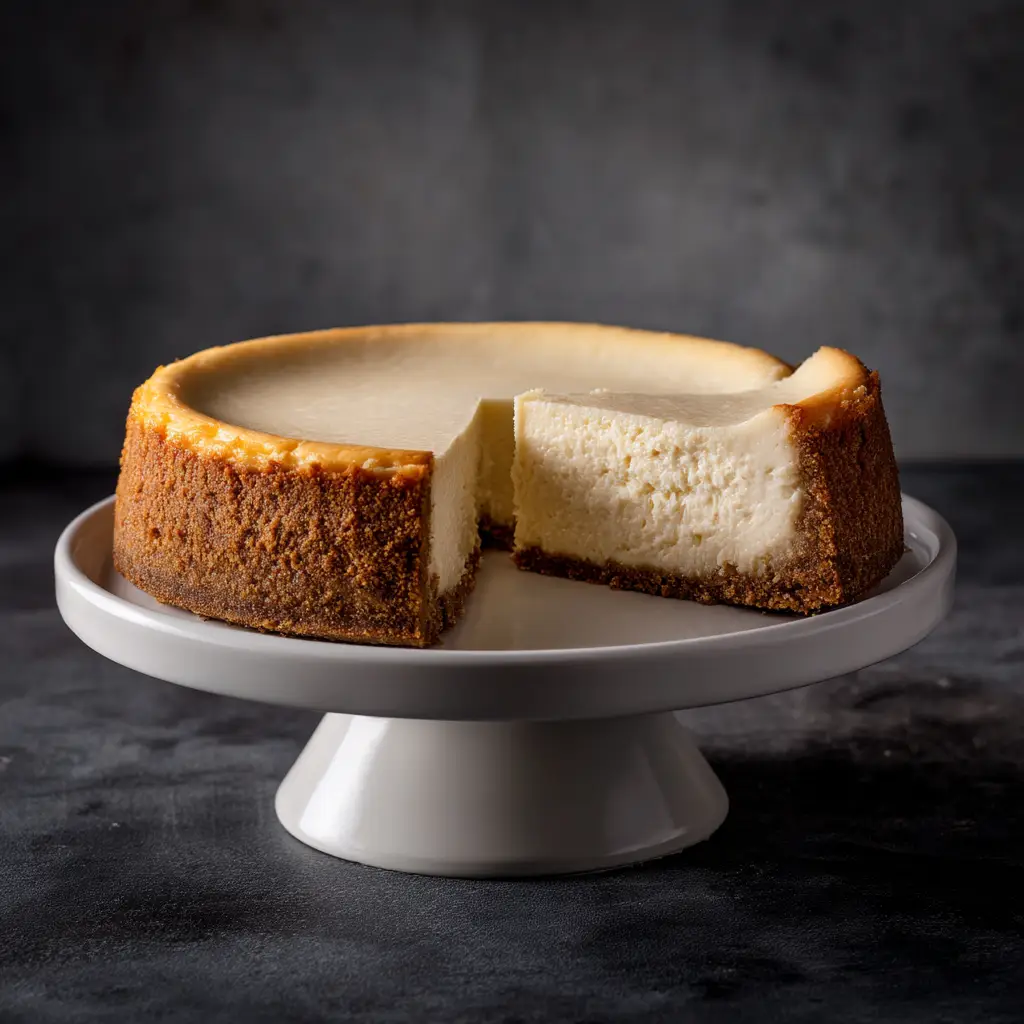
Welcome to the end of your search for the perfect cheesecake recipes. If you’ve ever felt intimidated by the thought of making a cheesecake from scratch, you’ve come to the right place. This guide is dedicated to one thing: helping you create a rich, dense, and flawlessly smooth New York-style cheesecake. We will walk through every step, demystifying the process and sharing the essential secrets to a crack-free top and a perfectly crisp crust every single time. Forget the bakery; the best cheesecake you’ve ever had is about to come from your own kitchen. For those who love this iconic dessert but prefer a bite-sized version, our Cannoli Cheesecake Bars are a must-try.
Why This is the Best Cheesecake Recipe for You
This isn’t just another recipe; it’s a masterclass in cheesecake perfection. We focus on simple, high-quality ingredients and foolproof techniques. Unlike other cheesecake recipes that can be overly complicated, this one is designed for the home cook. We prioritize clear, concise instructions and explain the “why” behind critical steps, like using room temperature ingredients and the all-important water bath. This approach ensures you not only get a great result but also understand the craft of cheesecake making.
The Key Ingredients for a Classic Cheesecake
The magic of a truly great New York cheesecake lies in its simplicity. There are no fancy or hard-to-find ingredients here, just classic components that come together to create something spectacular. Using high-quality, full-fat ingredients is non-negotiable for achieving that signature dense and creamy texture.
For the Graham Cracker Crust
- Graham Cracker Crumbs: The classic foundation. You can buy pre-crushed crumbs or make your own by pulsing whole graham crackers in a food processor.
- Unsalted Butter: This binds the crumbs together and creates a firm, buttery base for our cheesecake recipes.
- Granulated Sugar: Adds a touch of sweetness to balance the buttery, savory crackers.
For the Cheesecake Filling
- Full-Fat Cream Cheese: This is the star of the show. Use block-style cream cheese, not the whipped kind from a tub, and ensure it’s at room temperature for a lump-free filling.
- Granulated Sugar: Provides the perfect level of sweetness to complement the tangy cream cheese.
- Sour Cream: Another key to a classic New York cheesecake, sour cream adds moisture and a delightful tang.
- Large Eggs: Eggs are crucial for the structure. They should also be at room temperature to ensure they incorporate smoothly.
- Vanilla Extract & Lemon Juice: These enhance the flavors, with vanilla adding warmth and a hint of lemon juice brightening the overall taste.
Essential Equipment You’ll Need
You don’t need a professional kitchen to make this recipe. A few key pieces of equipment will set you up for success.
- 9-inch Springform Pan: This is essential for easy removal without damaging the cheesecake.
- Electric Mixer: A stand mixer with a paddle attachment or a hand mixer will make mixing the filling effortless.
- Roasting Pan: A large pan is needed to create the water bath for baking.
- Aluminum Foil: Heavy-duty foil is required to wrap the springform pan and make it watertight.
How to Make the Perfect Cheesecake: A Step-by-Step Guide
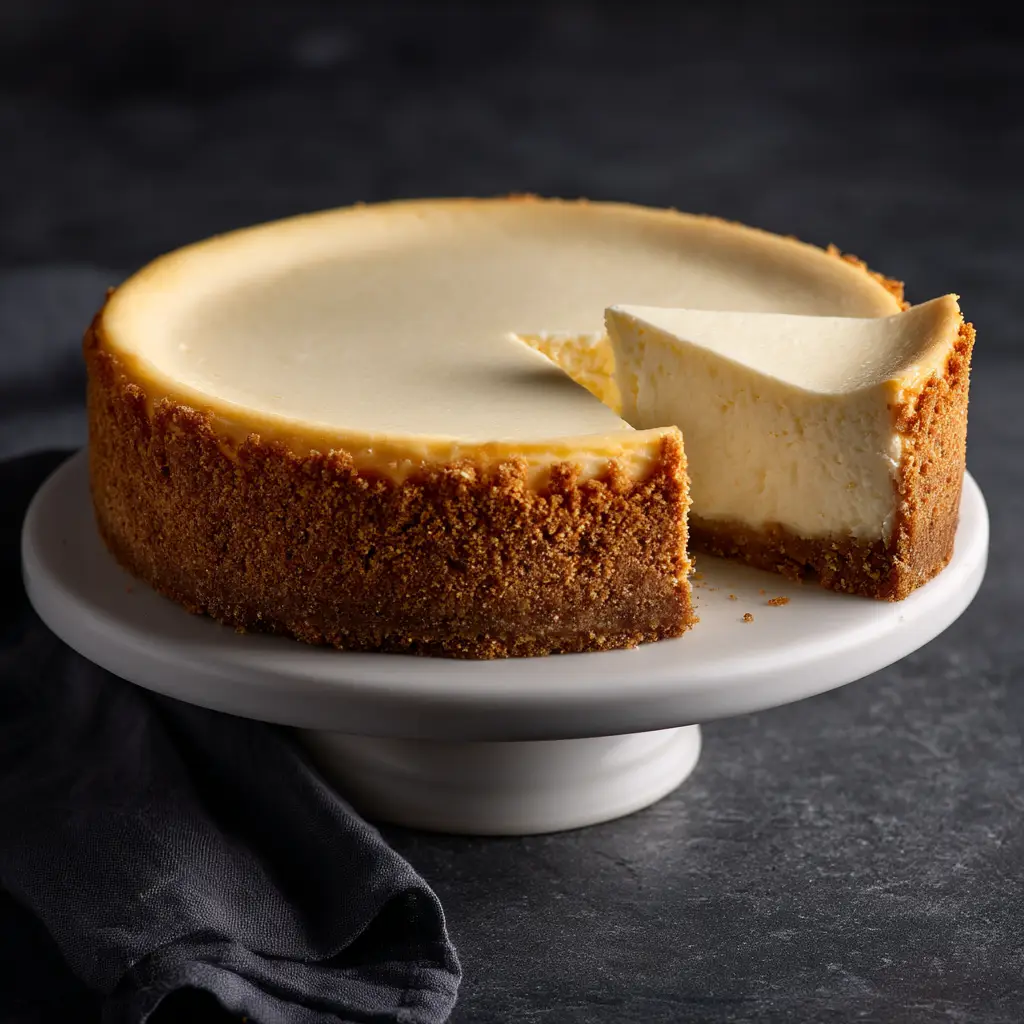
Follow these steps closely, and you’ll be rewarded with a perfect dessert. We’ve broken down the process into manageable stages to guide you from start to finish. This is one of those cheesecake recipes you’ll make again and again.
Step 1: Prepare the Graham Cracker Crust
First, preheat your oven to 350°F (175°C). In a medium bowl, combine the graham cracker crumbs, melted butter, and sugar. Stir until the mixture resembles wet sand. Press this mixture firmly and evenly into the bottom and slightly up the sides of your 9-inch springform pan. Bake for 10 minutes, then let it cool completely on a wire rack.
Step 2: Make the Creamy Cheesecake Filling
In the bowl of a stand mixer, beat the room temperature cream cheese on medium speed until it’s completely smooth and creamy. Scrape down the sides of the bowl often. Slowly add the sugar and continue to mix until well combined. Add the sour cream, vanilla extract, and lemon juice. Mix on low speed, being careful not to incorporate too much air. Finally, add the eggs one at a time, mixing on low speed just until the yolk disappears after each addition. Overmixing at this stage is a primary cause of cracking!
Step 3: The Secret to a Crack-Free Cheesecake (The Water Bath)
A water bath, or bain-marie, is the single most important technique for preventing cracks. It adds moisture to the oven and ensures the cheesecake bakes gently and evenly. To prepare it, wrap the outside of your springform pan with two layers of heavy-duty aluminum foil, ensuring it’s completely sealed. Place the wrapped pan inside a larger roasting pan. Pour your prepared cheesecake filling into the cooled crust. Then, carefully pour hot water into the roasting pan until it comes about halfway up the sides of the springform pan.
Step 4: Baking and Cooling
Carefully transfer the roasting pan to the preheated oven. Bake for 60-70 minutes. The cheesecake is done when the edges are set, but the center still has a slight wobble. Turn off the oven, crack open the door, and let the cheesecake cool slowly in the oven for one hour. This gradual cooling process is another key to a crack-free surface. After an hour, remove the cheesecake from the water bath and let it cool completely on the counter. Finally, cover it and refrigerate for at least 6 hours, but preferably overnight.
Pro Tips from a Seasoned Baker
- Room Temperature is Key: Ensure your cream cheese, eggs, and sour cream are all at room temperature for the smoothest, most homogenous filling.
- Don’t Overmix: Overmixing incorporates air, which can cause the cheesecake to puff up in the oven and then crack as it cools.
- Scrape the Bowl: Regularly scrape the sides and bottom of your mixing bowl to ensure all ingredients are evenly incorporated and there are no lumps.
- Patience is a Virtue: The long, slow cooling process is essential. Don’t rush it! A properly chilled cheesecake will have the best flavor and texture.
Storing Your Cheesecake
Your beautiful cheesecake can be stored in the refrigerator, covered, for up to 5 days. It’s actually best on the second day, as the flavors have time to meld and settle. You can also freeze the cheesecake for up to 2 months. To do so, cool and chill it completely, then wrap it tightly in plastic wrap and a layer of aluminum foil.
Cheesecake Recipes: Frequently Asked Questions
While a springform pan is highly recommended for easy removal, you can use a 9-inch round cake pan. Make sure to line the bottom and sides with parchment paper, leaving an overhang to lift the cheesecake out after it has fully chilled.
A water bath is the best method for a perfect, crack-free cheesecake as it ensures gentle, even heat. While you can bake without one, the risk of cracking, a rubbery texture, and uneven baking is significantly higher.
The cheesecake is perfectly baked when the edges are set and slightly puffed, but the center 2-3 inches still jiggles like Jell-O when you gently nudge the pan. It will firm up completely during the cooling and chilling process.
The three main secrets to preventing cracks are: using room temperature ingredients, not overmixing the batter (especially after adding eggs), and baking the cheesecake in a water bath (bain-marie) followed by a slow cooling process.
A watery cheesecake is usually a sign that it was overbaked. The protein structure of the eggs tightens too much, squeezing out moisture. To prevent this, bake just until the center has a slight wobble, as it will continue to set as it cools.
Ready for More Decadent Desserts?
We hope this becomes your go-to guide for all your cheesecake cravings. The beauty of cheesecake recipes is their versatility, and this classic version is the perfect canvas for your favorite toppings, from fresh fruit to chocolate ganache. If you loved making this recipe, we know you’ll also adore our stunning Baklava Cheesecake or these delightful Strawberry Cheesecake Cookies.
Did you make this recipe? We’d love to hear how it went! Leave a comment below or share a picture on Pinterest. Your feedback helps our community of home cooks grow!
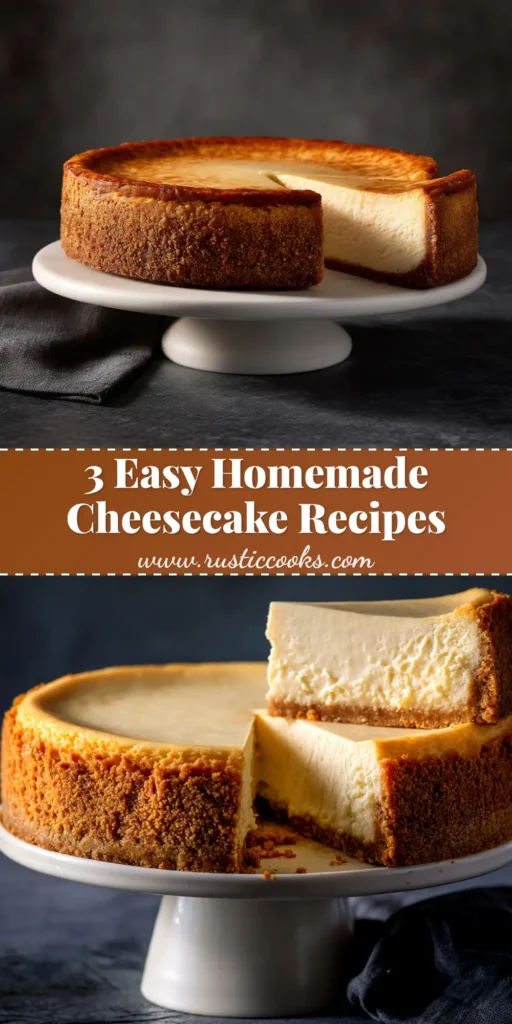
The Perfect New York Cheesecake Recipe
Cheesecake Recipes: The Ultimate Guide to a Perfect New York Cheesecake
Ingredients
Equipment
Method
- Preheat oven to 350°F (175°C). Combine graham cracker crumbs, melted butter, and 1/4 cup sugar. Press firmly into the bottom and up the sides of a 9-inch springform pan. Bake for 10 minutes. Cool completely.
- In a large bowl, beat the softened cream cheese with an electric mixer on medium speed until completely smooth. Add 1.5 cups of sugar and beat until combined. Mix in the sour cream, vanilla, and lemon juice on low speed.
- Add the eggs one at a time, mixing on low speed just until each yolk is blended. Do not overmix. Scrape down the sides of the bowl to ensure everything is incorporated.
- Wrap the outside of the springform pan with two layers of heavy-duty aluminum foil. Place it in a large roasting pan. Pour the filling into the cooled crust.
- Pour hot water into the roasting pan to come halfway up the sides of the springform pan. Bake for 60-70 minutes, until the edges are set but the center has a slight jiggle.
- Turn the oven off and crack the door open, leaving the cheesecake inside for 1 hour to cool slowly. Remove from the water bath and cool to room temperature on a wire rack. Refrigerate for at least 6 hours or overnight before serving.
Notes
Do not overmix the batter after adding eggs to prevent cracking.
The slow cooling process in the oven and on the counter is crucial for a perfect, crack-free top.