Mastering the Baked Boneless Chicken Breast is a fundamental skill that separates the home cook from the culinary enthusiast. We have all experienced the disappointment of a dry, rubbery chicken breast that lacks flavor and visual appeal. This recipe is designed to banish those results forever, focusing on a specific dry-rub technique that creates a stunning golden-brown crust while sealing in every drop of natural moisture.
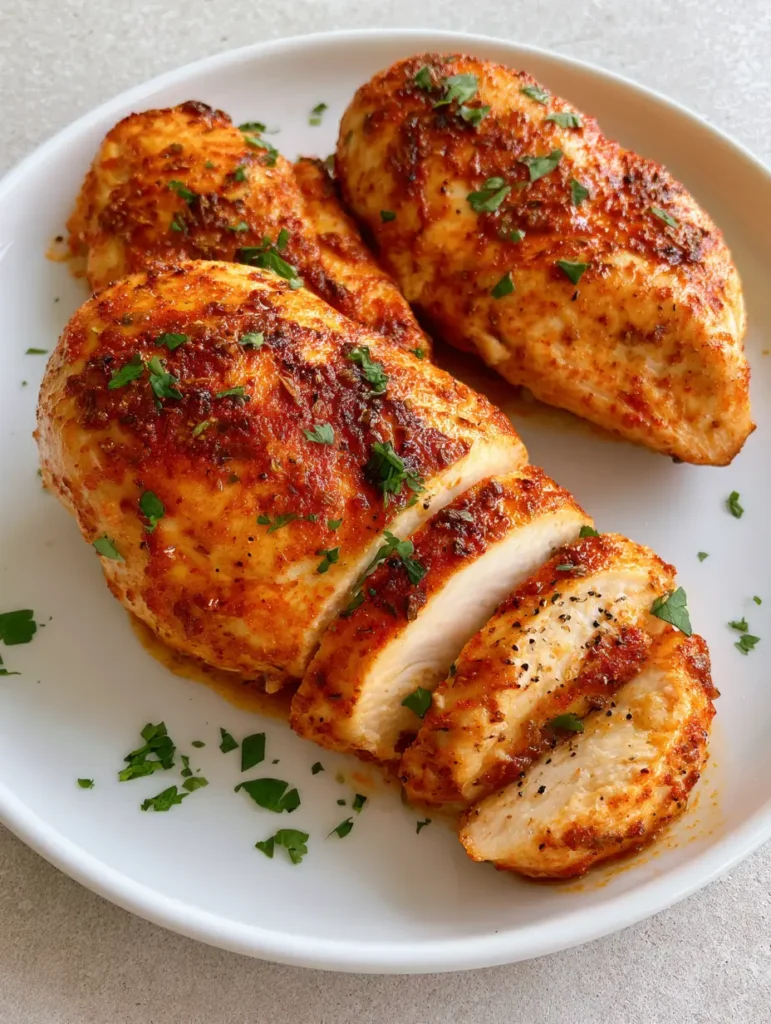
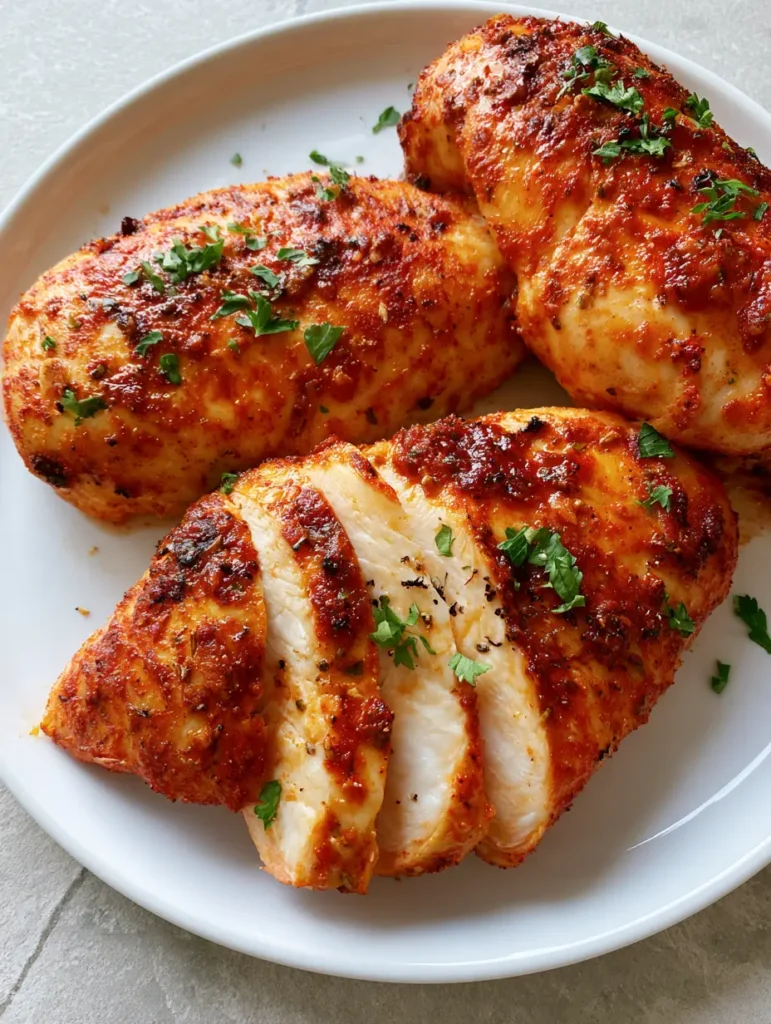
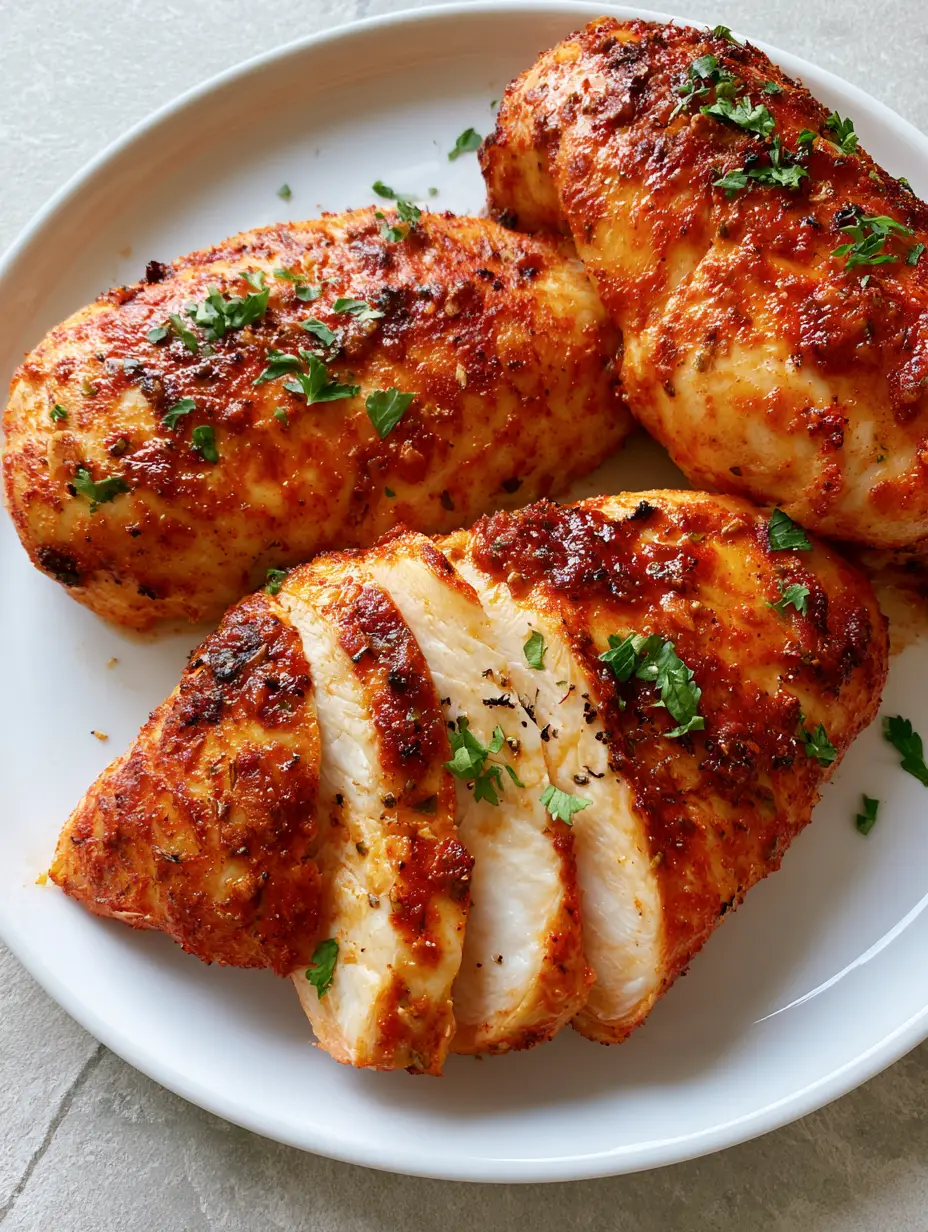
The secret lies in the synergy between high-heat roasting and a balanced herb rub. By the time you pull these from the oven, you will see a glistening surface punctuated by specks of paprika, garlic powder, and dried oregano. When you slice into the thickest part, the interior remains an opaque, pearlescent white, signaling a perfectly cooked protein that is as succulent as it is beautiful.
Why This Juicy Baked Boneless Chicken Breast Recipe Works
- Visual Perfection: The combination of paprika and high-heat roasting ensures a deep golden-brown exterior that looks professionally seared without the mess of a frying pan.
- Optimal Texture: By utilizing a specific resting period, we allow the natural chicken juices to redistribute, ensuring the meat is tender from the first bite to the last.
- Flavor Depth: The dry rub of garlic powder and dried oregano provides a savory, Mediterranean-inspired profile that pairs perfectly with almost any side dish.
- Slicing Success: We guide you through creating perfect chicken medallions that reveal a moist, glistening interior, ideal for elevated plating or meal prep.
The Essential Spices and Pantry Staples for Success
To achieve the visual and textural results seen in our Baked Boneless Chicken Breast, every ingredient serves a scientific and aesthetic purpose. We do not use “fluff” ingredients; every item on this list is a building block for the final masterpiece.
Boneless Skinless Chicken Breasts: Aim for pieces that are roughly 6-8oz (170-225g) each. Uniform thickness is key for even cooking, so we recommend lightly pounding the thicker end if necessary.
Extra Virgin Olive Oil: This acts as the “glue” for our spices and the primary heat conductor. It helps achieve that glistening, caramelized outer crust described in our visual blueprint.
Smoked or Sweet Paprika: Beyond flavor, paprika provides the signature golden-brown hue. It reacts with the heat to create a vibrant, toasted color that makes the chicken pop against a white ceramic plate.
Garlic Powder: Unlike fresh garlic, which can burn and turn bitter at high oven temperatures, garlic powder provides a consistent, savory base that permeates the meat.
Dried Oregano: This herb adds a rustic, earthy aroma. In the final presentation, you will see these small green flecks embedded in the golden crust, providing visual contrast.
Kosher Salt and Cracked Black Pepper: Salt is the most critical “invisible” ingredient, as it denatures the proteins to retain moisture. The black pepper should be freshly cracked for a sharp, aromatic finish.
Fresh Flat-Leaf Parsley: This is our “hero” garnish. Finely chopped and sprinkled at the very end, it provides a burst of cool green that cuts through the richness of the roasted meat.
Professional Kitchen Tools for Perfectly Roasted Poultry
Achieving a professional-grade Baked Boneless Chicken Breast requires the right tools to manage heat and airflow. While you can use a basic sheet pan, the following items will elevate your results significantly.
A heavy-rimmed baking sheet or a ceramic roasting dish is essential. Ceramic, as seen in our visual guide, holds heat beautifully and provides a clean, neutral background for serving. You will also need a digital instant-read thermometer. This is the only way to guarantee the chicken reaches an internal temperature of 165°F (74°C) without overcooking it.
Finally, a sharp chef’s knife is non-negotiable for creating those clean, beautiful chicken medallions. If your knife is dull, it will tear the delicate fibers of the meat, causing the natural juices to escape onto the cutting board instead of staying within the slice.
Mastering the Technique: How to Bake Boneless Chicken Breast
Preheating and Preparation
Start by preheating your oven to 425°F (220°C). High heat is the secret to a golden-brown exterior. While the oven heats, pat your chicken breasts dry with paper towels. Removing surface moisture is the most important step for achieving a “crust” rather than “steamed” meat.
Applying the Flavor Foundation
In a small bowl, whisk together 1 tsp (5g) paprika, 1 tsp (5g) garlic powder, 1 tsp (2g) dried oregano, 1 tsp (6g) kosher salt, and ½ tsp (1g) cracked black pepper. Rub 1 tbsp (15ml) of olive oil over the chicken, then coat generously with the spice mix. The oil ensures the rub sticks and helps the spices bloom in the heat.
The Roasting Process
Place the chicken on your white ceramic plate or baking dish. Slide it into the center rack of the oven. Bake for 18–22 minutes, depending on thickness. You are looking for a visual cue: the surface should be glistening and the edges should show a slight caramelization. If you have a crispy texture preference, you might even see the juices bubbling slightly around the base.
The Critical Resting Phase
Once the internal temperature hits 160°F (71°C), remove the chicken. The temperature will rise to 165°F (74°C) through carry-over cooking. Let the chicken rest for at least 5-10 minutes. This allows the muscle fibers to relax and reabsorb the natural chicken juices. If you cut it too soon, the moisture will flood out, leaving you with dry meat.
Slicing into Medallions and Garnishing
Using a sharp knife, slice one of the breasts into thick medallions, approximately ½ inch (1.25cm) thick. Arrange them on the plate to reveal the moist, opaque white interior. Garnish the entire plate with a generous handful of finely chopped fresh parsley and an extra crack of black pepper for that “handheld smartphone photo” aesthetic.
Expert Tips for Success
- The Brine Option: If you have an extra 30 minutes, soak the chicken in a simple saltwater brine. This adds an extra layer of insurance against dryness.
- Room Temperature: Never put ice-cold chicken straight into a hot oven. Let it sit on the counter for 15 minutes to take the chill off for more even cooking.
- Color via Broiler: If your chicken is cooked through but lacks that deep golden-brown color, pop it under the broiler for the last 60 seconds of cooking.
- Use the Pan Juices: Those natural chicken juices on the plate are liquid gold. Drizzle them back over the medallions before serving for maximum flavor.
Storage, Reheating, and Meal Prep
This Baked Boneless Chicken Breast is a meal prep champion. Store leftovers in an airtight container in the refrigerator for up to 4 days. When reheating, do so gently. We recommend slicing the chicken first and warming it in a pan with a splash of chicken broth or water to keep it from drying out.
You can also freeze the cooked breasts for up to 3 months. Wrap them tightly in plastic wrap and then foil to prevent freezer burn. Thaw overnight in the refrigerator before following the gentle reheating instructions above.
Flavor Pairings and Serving Suggestions
This versatile protein works with a vast array of side dishes. For a light lunch, slice the chicken over a zesty grain bowl or tuck it into a Mexican-style sandwich.
If you are looking for a more indulgent dinner, serve these golden breasts alongside a helping of creamy macaroni and cheese or atop a bed of Tuscan-inspired pasta. The savory herbs in the rub also complement Mediterranean flavors perfectly, making it a great addition to a homemade shawarma plate.
Frequently Asked Questions
Absolutely. This dry rub of paprika, garlic, and oregano holds its flavor well when cold and stays vibrant when reheated gently, making it ideal for salads or bowls throughout the week.
The most reliable method is using an instant-read thermometer. Remove the chicken from the oven when the internal temperature reaches 160°F (71°C); carryover cooking will bring it to the safe 165°F (74°C) as it rests.
No. For this specific recipe, leaving the chicken uncovered is essential to achieving the golden-brown, glistening crust described in our visual guide. Foil would trap steam and lead to a pale, wet texture.
We recommend 425°F (220°C). The high heat ensures a golden-brown exterior and quick cooking, which helps seal in the natural juices before the meat can dry out.
Dry chicken is usually caused by overcooking or failing to let the meat rest. Resting for 5-10 minutes allows the fibers to reabsorb juices. Pounding the chicken to an even thickness also prevents the thin ends from drying out while the center cooks.
The Ultimate Juicy Baked Boneless Chicken Breast Recipe
Baked Boneless Chicken Breast: The Ultimate Guide to Juicy, Golden-Brown Results
Ingredients
Equipment
Method
- Preheat your oven to 425°F (220°C). Pat the chicken breasts completely dry with paper towels to ensure a golden-brown crust.
- In a small bowl, combine paprika, garlic powder, dried oregano, salt, and pepper. Rub the chicken with olive oil, then coat thoroughly with the spice blend.
- Place chicken in a ceramic baking dish and roast for 18-22 minutes. The chicken is done when the juices run clear and the internal temperature hits 160°F (71°C).
- Let the chicken rest for 5-10 minutes. Slice one breast into thick medallions to reveal the moist, opaque interior.
- Top with freshly chopped parsley and extra cracked black pepper before serving.
Notes
If the chicken is uneven in thickness, pound the thickest part between two pieces of plastic wrap for even cooking.
Closing & Call to Action
Creating the perfect Baked Boneless Chicken Breast doesn’t require complex techniques—just attention to detail and a respect for the science of roasting. By following this guide, you’ll achieve that glistening, golden-brown crust and moist interior every single time. Whether you’re meal prepping for the week or serving a quick family dinner, this recipe is a reliable staple.
Did you try this recipe? We’d love to see your results! Leave a comment below and let us know how your herb rub turned out. Don’t forget to follow us and share your beautiful chicken photos on Pinterest!