There is nothing quite like the experience of biting into authentic Old Bay Crab Cakes that prioritize the delicate, sweet flavor of jumbo lump crab over fillers. These cakes are a masterpiece of coastal cuisine, featuring a coarse, flaky texture that highlights massive chunks of white meat held together by the lightest touch of seasoned binder.
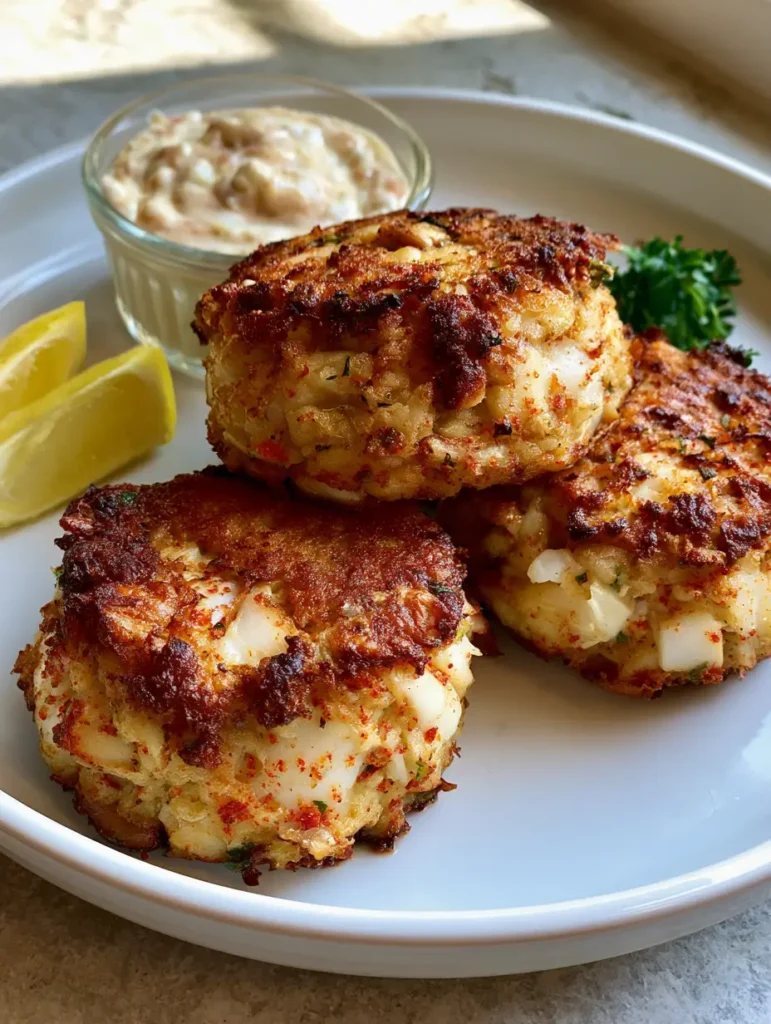
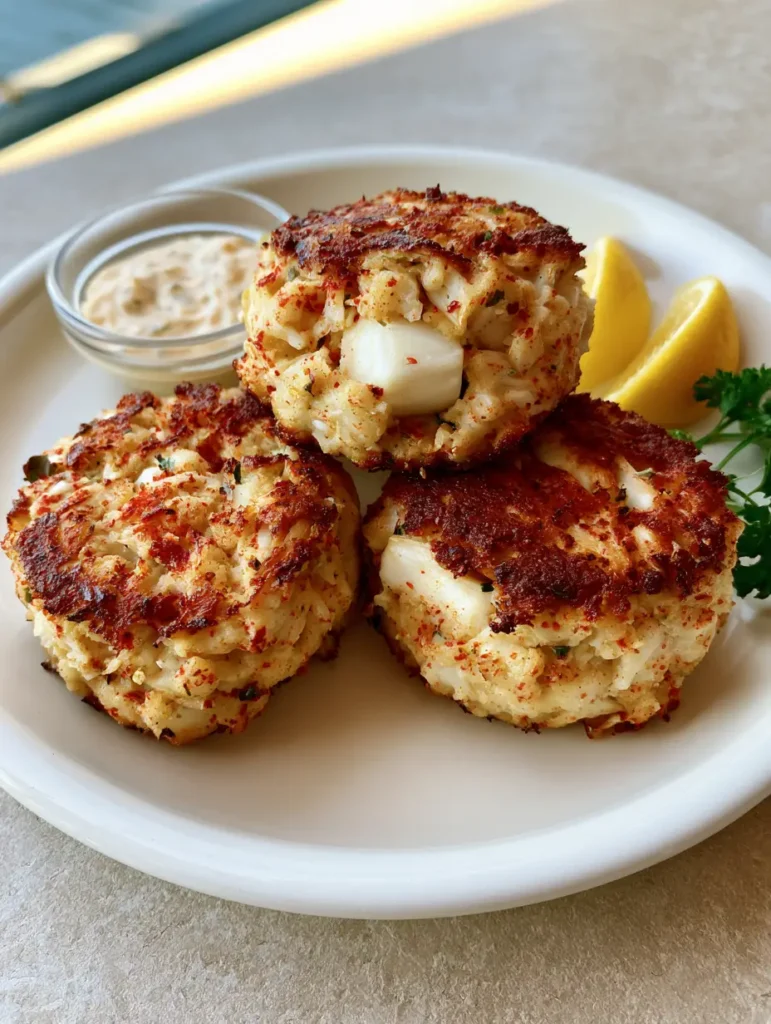
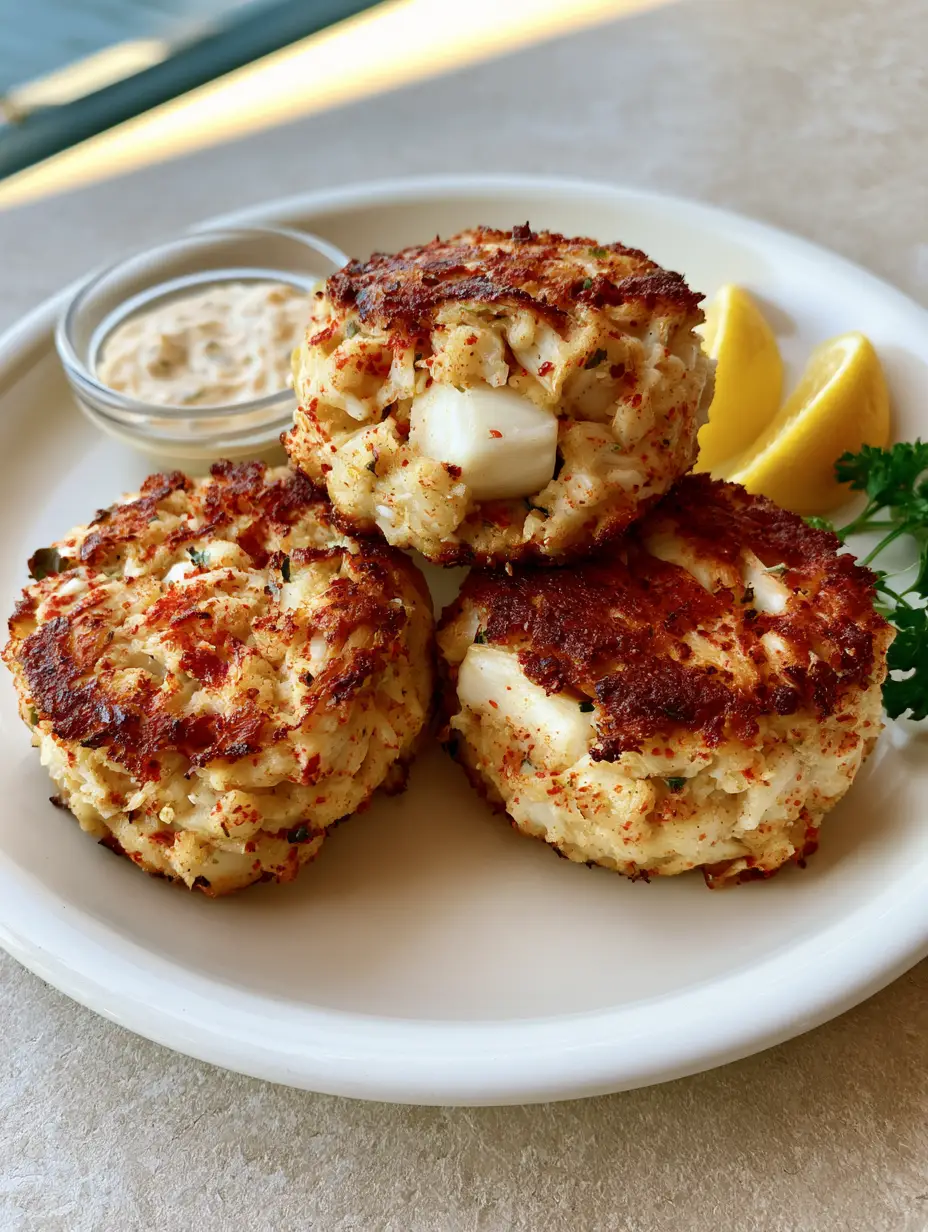
When you look at a perfectly prepared crab cake, you should see those iconic red Old Bay seasoning specks and fine green dried herb flakes contrasting against a deep, golden-brown seared exterior. This recipe is designed to help you achieve that restaurant-quality crust while keeping the interior incredibly moist and tender.
Whether you are hosting a formal dinner or a casual weekend brunch, these Old Bay Crab Cakes deliver a sensory experience that is both sophisticated and deeply satisfying. We are going to dive deep into the culinary science of the perfect sear and the exact ratio of spice to seafood that makes these famous.
What Makes These the Ultimate Maryland-Style Crab Cakes?
- Jumbo Lump Focus: We use high-quality jumbo lump crab meat to ensure every bite is filled with large, succulent chunks of seafood.
- The Signature Crust: A specific pan-searing technique creates a thick, circular shape with a crispy, golden-brown exterior.
- Bold Coastal Flavor: The recipe features a precise amount of Old Bay seasoning, providing that classic Chesapeake heat and aromatic depth.
- Minimalist Binder: We use just enough mayonnaise and egg to keep the cakes together without masking the natural sweetness of the crab.
- Visual Contrast: Finished with fresh lemon wedges and bright parsley, these cakes look as stunning on the plate as they taste.
Essential Elements for Premium Maryland-Style Flavor
Creating world-class Old Bay Crab Cakes requires high-quality ingredients and a commitment to not over-mixing the delicate meat. Here is what you will need to gather for your culinary station.
Jumbo Lump Crab Meat: 1 pound (454g) of fresh-picked jumbo lump crab meat is the star of the show. This grade of meat provides the large, white chunks seen in the visual prompt and offers the best texture.
Old Bay Seasoning: 1.5 tablespoons (9g) of this iconic blend provides the necessary celery salt, paprika, and black pepper notes. You will notice the tiny red flecks throughout the finished cakes, which are the hallmark of a true Maryland recipe.
Mayonnaise: 1/4 cup (60ml) of high-quality mayonnaise acts as the primary moisturizing agent. It ensures the interior remains creamy and rich while the exterior crisps up during the sear.
Egg: 1 large egg (approx. 50g) serves as the protein-based “glue” for the mixture. It coagulates during cooking to provide structural integrity to the thick, circular cakes.
Dijon Mustard: 1 teaspoon (5ml) adds a subtle tang and emulsification power to the binder. This helps the mayonnaise and egg stay unified while adding a sophisticated depth of flavor.
Dried Parsley Flakes: 1 teaspoon (1g) of dried herbs are mixed into the batter. These create the visible green flakes that are characteristic of traditional seafood house recipes.
Panko Breadcrumbs: 1/2 cup (30g) of Japanese-style panko provides a light, airy crunch. Unlike traditional breadcrumbs, panko doesn’t turn into a heavy paste, preserving the coarse texture we want.
Unsalted Butter and Neutral Oil: 1 tablespoon (15g) of butter and 2 tablespoons (30ml) of oil are used for the sear. The oil prevents burning at high heat, while the butter provides the deep golden-brown color and rich aroma.
Fresh Garnish & Sides: You will need 2 bright yellow lemon wedges, a small sprig of fresh green parsley, and a side of creamy tartar sauce. These provide the essential acid and creaminess to balance the savory cakes.
Professional Tools for a Flawless Sear
To achieve the specific visual of three thick, circular cakes arranged on a plate, you need the right equipment. A heavy-bottomed stainless steel or cast iron skillet is non-negotiable for that deep golden crust.
A 1/2 cup (120ml) measuring cup or a large ice cream scoop is the best way to ensure uniform size. This helps all three cakes cook at the same rate and look professional when plated on a neutral light grey stone surface.
Finally, a thin metal fish spatula is the best tool for flipping the cakes. Since lump crab is delicate, you need a flexible tool that can slide under the crust without breaking the large chunks of meat apart.
Step-By-Step Guide to Mastering Old Bay Crab Cakes
Preparing the Flavorful Binder
In a large mixing bowl, whisk together the egg, mayonnaise, Dijon mustard, and 1.5 tablespoons (9g) of Old Bay seasoning. Add the 1 teaspoon (1g) of dried parsley flakes at this stage to ensure they are evenly distributed.
Whisk until the mixture is completely smooth and the red flecks of seasoning are suspended in the creamy base. This step ensures you don’t over-work the crab later, which is the most common mistake in crab cake preparation.
Integrating the Jumbo Lump Meat
Gently fold the 1 pound (454g) of jumbo lump crab meat into the binder using a rubber spatula. It is critical to use a folding motion rather than stirring to keep the large chunks of white meat intact.
Once the meat is lightly coated, sprinkle the 1/2 cup (30g) of panko breadcrumbs over the top and fold again very gently. Let the mixture rest in the refrigerator for at least 30 minutes to allow the breadcrumbs to hydrate and the proteins to set.
Shaping and Searing for the Golden Crust
Divide the chilled mixture into three equal portions to create thick, circular cakes. Heat your oil and butter in the skillet over medium-high heat until the butter begins to foam and turn slightly brown.
Carefully place the cakes into the hot skillet and do not move them for 4-5 minutes. You are looking for a visual cue of a deep golden-brown ring forming around the base of the cake before you even think about flipping.
Flip the cakes gently and sear for another 4 minutes on the second side. The internal temperature should reach 145°F (63°C), and the exterior should be crisp with visible flecks of herbs and spice.
Expert Tips for the Ultimate Seafood Experience
- The “Cold” Secret: Always chill your crab cake mix before frying. This prevents the cakes from falling apart in the pan and helps the exterior sear faster than the interior overcooks.
- Don’t Over-Flip: Only flip your cakes once. Every time you move them, you risk breaking the large lump meat and losing that beautiful circular shape.
- Drain the Meat: If your crab meat comes in a tin with liquid, drain it thoroughly and pat it dry with a paper towel. Excess moisture will lead to steaming rather than searing.
- Butter for Color: While oil does the heavy lifting of frying, that specific “deep golden-brown” look comes from the milk solids in the butter caramelizing against the crab.
The Best Ways to Store and Reheat Leftovers
If you have leftover Old Bay Crab Cakes, store them in an airtight container in the refrigerator for up to 2 days. To maintain the crispy exterior, avoid the microwave when reheating.
The best way to reheat is in a 350°F (175°C) oven or air fryer for 5-8 minutes. This restores the crunch of the panko and the firmness of the jumbo lump meat without making it rubbery.
You can also freeze uncooked crab cakes by wrapping them individually in plastic wrap and placing them in a freezer bag. They will stay fresh for up to 3 months; just thaw them in the fridge overnight before searing.
Sensory Pairings and Side Dish Inspiration
A classic crab cake dinner is best complemented by sides that offer a bright, fresh contrast to the rich seafood. A crisp authentic Greek salad provides a feta-tang and vinaigrette bite that cuts right through the mayonnaise binder.
If you are looking for a more indulgent meal, consider serving these alongside a grilled shrimp bowl for a “Double Seafood” extravaganza. The smoky notes of grilled shrimp pair beautifully with the Old Bay spices.
For a unique dipping experience beyond standard tartar sauce, try drizzling the cakes with a bit of warm cowboy butter. The garlic and herb notes in the butter amplify the natural sweetness of the jumbo lump meat.
Common Questions About Maryland Crab Cakes
As written, they contain panko breadcrumbs. However, you can easily make them gluten-free by substituting the panko with crushed gluten-free crackers or GF breadcrumbs.
While fresh jumbo lump crab is best for texture, you can use high-quality refrigerated canned lump crab. Avoid the ‘shelf-stable’ cans in the grocery aisle, as the meat is often too shredded for a coarse texture.
Use a combination of neutral oil (for high heat) and butter (for browning). Ensure your pan is hot before adding the cakes and let them sear undisturbed for at least 4 minutes to develop a crust.
The most important steps are using an egg-mayonnaise binder and chilling the formed cakes for at least 30 minutes before searing. Chilling helps the protein ‘set’ so the cake stays together in the pan.
Old Bay is a unique blend of 18 herbs and spices, including celery salt and paprika, that defines the flavor profile of Maryland seafood. It provides the signature red flecks and savory heat essential to this recipe.
The Ultimate Old Bay Crab Cakes Recipe
Old Bay Crab Cakes with a Perfect Golden-Brown Sear
Ingredients
Equipment
Method
- In a large bowl, whisk together the egg, mayonnaise, Dijon mustard, Old Bay seasoning, and dried parsley until creamy.
- Gently fold in the jumbo lump crab meat and panko breadcrumbs. Be careful not to break the large crab lumps. Chill the mixture in the refrigerator for 30 minutes.
- Form the chilled mixture into three thick, circular cakes about 1.5 inches thick.
- Heat oil and butter in a skillet over medium-high heat. Once the butter foams, add the cakes and sear for 4-5 minutes per side until a deep golden-brown crust forms.
- Serve immediately on a white plate with a ramekin of tartar sauce, lemon wedges, and fresh parsley.
Notes
Use a fish spatula for flipping to keep the lump meat from falling apart.
Join Our Coastal Cooking Community!
We hope these Old Bay Crab Cakes bring a taste of the Atlantic coast right into your kitchen. The combination of massive crab chunks and that perfect golden-brown sear is a culinary triumph that never goes out of style.
If you loved this recipe, please leave a comment below and let us know how your sear turned out! Don’t forget to follow us on Pinterest for more gourmet seafood inspiration and kitchen tips.
Sharing is caring—save this recipe to your “Seafood Favorites” board so you can find it the next time you have a craving for the perfect crab cake!