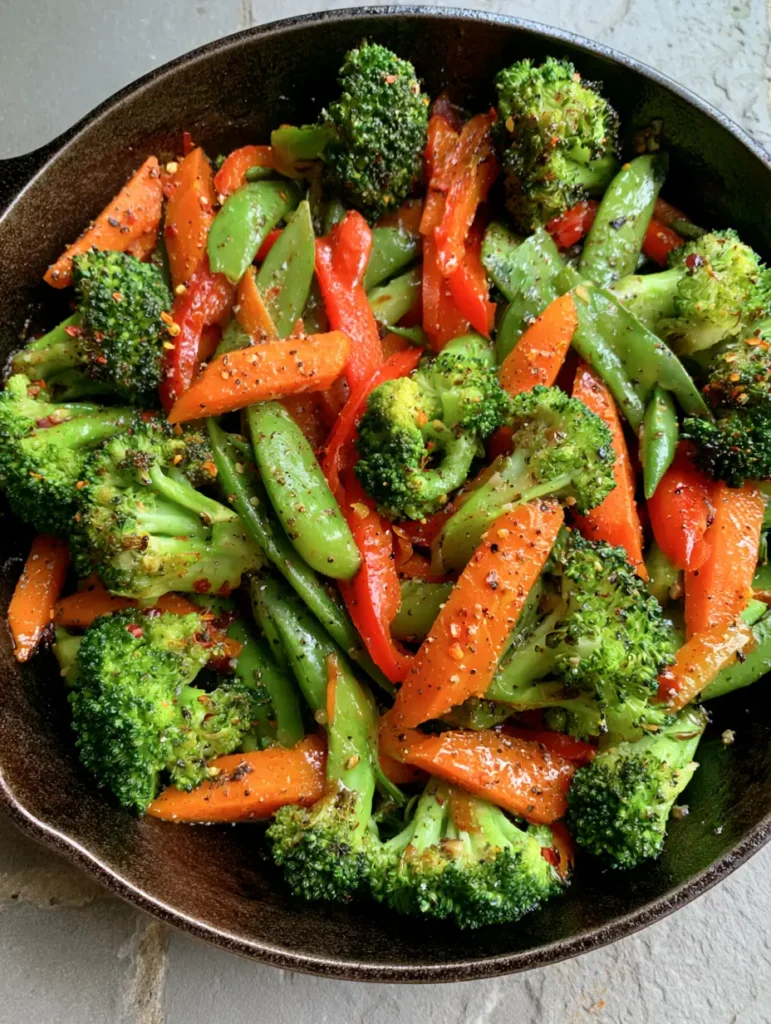
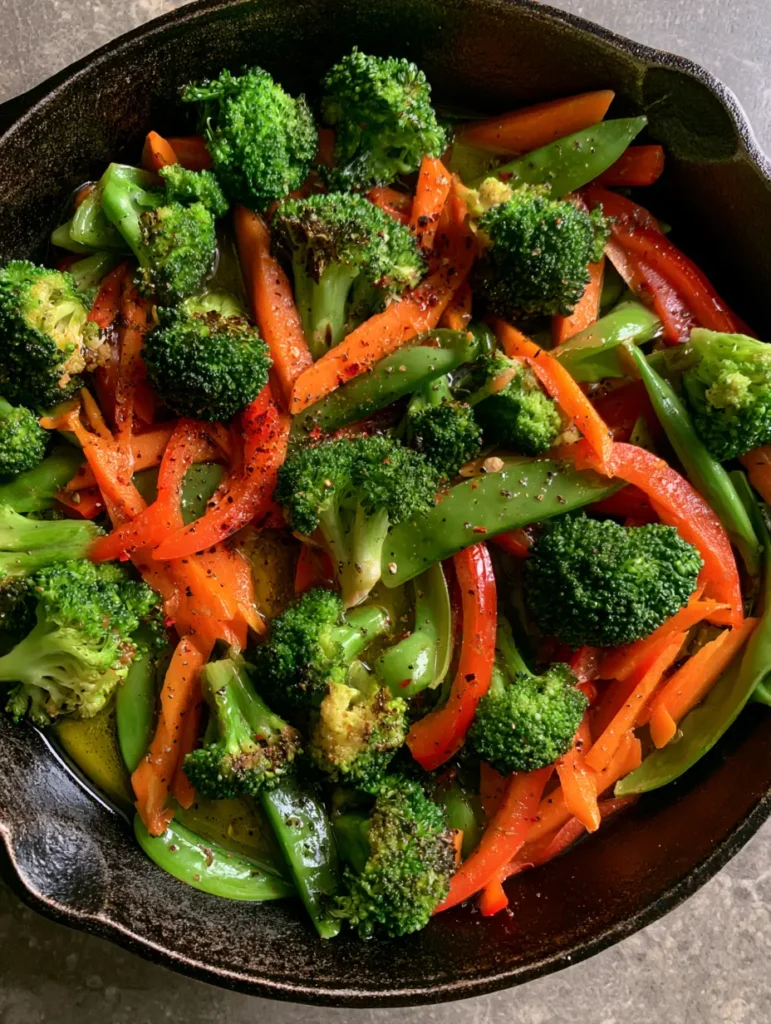
There is a profound difference between a pile of limp, steamed greens and a vibrant Sautéed Vegetables Recipe that commands attention on the dinner plate. When you look into a well-seasoned cast iron skillet, you should see a masterpiece of textures: the deep emerald of charred broccoli florets, the sunset orange of diagonal carrots, and the glossy sheen of high-quality olive oil. This recipe isn’t just about heat; it is about the forensic application of timing and temperature to ensure every bite is crisp-tender and bursting with natural sweetness.
The visual appeal of this dish is undeniable, captured perfectly in the soft natural daylight that highlights the glistening oil and the rustic specks of cracked black pepper. By utilizing the heavy thermal mass of cast iron, we achieve those coveted charred edges on the broccoli while keeping the snap peas bright and crunchy. It is a sensory experience that begins with the sizzle of the pan and ends with a perfectly balanced heat from a light dusting of red pepper flakes.
Whether you are looking for a quick weeknight side or a colorful centerpiece for a plant-based meal, this Sautéed Vegetables Recipe delivers on every professional culinary metric. We aren’t just cooking; we are building a flavor profile that respects the integrity of each individual vegetable. Let’s dive into the science of the sear and the art of the skillet.
The Anatomy of a Perfect Sauté: Why This Medley Works
- High-Contrast Textures: We combine the sturdy structure of diagonal carrots with the delicate, airy crowns of broccoli florets for a diverse mouthfeel.
- Maillard Reaction Mastery: By using a cast iron skillet, we facilitate the browning of natural sugars, especially on the broccoli edges, creating deep Umami notes.
- Vibrant Visual Retention: Through precise timing, the snap peas and red bell peppers maintain their “high-definition” colors without turning grey or mushy.
- Flavor Layering: A foundation of olive oil and cracked black pepper provides a savory base, while red pepper flakes add a subtle, waking heat.
Foundational Ingredients for the Ultimate Skillet Sear
Every element in this Sautéed Vegetables Recipe serves a specific structural or flavor purpose. To achieve the results seen in our visual blueprint, you must source fresh, firm produce that hasn’t begun to wilt.
Broccoli Florets: You will need 3 cups (approx. 250g) of fresh broccoli, cut into bite-sized florets. The nooks and crannies of the florets are essential for catching the oil and developing those signature charred edges.
Diagonal Sliced Carrots: Use 2 large carrots (approx. 150g), peeled and sliced at a 45-degree angle. The diagonal cut increases the surface area, allowing for faster cooking and more space for caramelization.
Red Bell Pepper: 1 medium pepper (approx. 120g), sliced into thin, uniform strips. These provide a necessary sweetness and a pop of primary color that contrasts against the greens.
Green Snap Peas: 1.5 cups (approx. 150g) of whole snap peas, trimmed. These are the “crunch” factor in our dish and should only be exposed to the heat for a few minutes to retain their snap.
Extra Virgin Olive Oil: 3 tbsp (45ml) of a high-quality oil with a moderate smoke point. This acts as the heat transfer medium and provides the glistening glaze seen in the visual prompt.
Cracked Black Pepper: 1 tsp (2g) of coarsely ground pepper. Freshly cracked pepper provides a floral heat that pre-ground pepper simply cannot replicate.
Red Pepper Flakes: 1/2 tsp (1g), or more to taste. These small flakes provide a visual contrast and a slow-burning heat that cuts through the richness of the oil.
Kosher Salt: 1 tsp (6g), added at the very end. Salt draws out moisture, so adding it late ensures the vegetables sear rather than steam in their own juices.
Essential Gear for High-Heat Vegetable Magic
To replicate the “top-down shot” aesthetic, the equipment is just as important as the ingredients. The heavy-duty nature of your tools determines the final texture of the vegetables.
12-inch Cast Iron Skillet: This is non-negotiable for achieving the charred edges described. Cast iron holds heat better than stainless steel or non-stick, ensuring the pan temperature doesn’t drop when you add the cold vegetables.
High-Heat Silicone Spatula or Tongs: You need a tool that can move the vegetables quickly without bruising them. Tongs are particularly useful for flipping individual broccoli florets to ensure even charring.
Chef’s Knife: A sharp blade is required for the precise diagonal carrot cuts and uniform pepper strips. Clean cuts mean even cooking times.
Mastering the Skillet: A Step-by-Step Guide to Vibrant Veggies
Phase 1: The Skillet Tempering
Place your cast iron skillet over medium-high heat. Allow the pan to heat for at least 3-4 minutes before adding any oil. You will know it is ready when a drop of water flicked onto the surface dances and evaporates instantly.
Add the 3 tbsp (45ml) of olive oil. Swirl the pan to coat the bottom completely; the oil should shimmer and show slight ripples, indicating it is ready for the first batch of vegetables.
Phase 2: Searing the Sturdier Veggies
Add the diagonal sliced carrots to the skillet first. These require the longest cooking time to reach a tender-crisp state. Spread them in a single layer and let them sit undisturbed for 2 minutes to develop a golden-brown crust.
Next, add the broccoli florets. Arrange them so the flat “cut” sides are in contact with the hot iron. This is the secret to achieving those charred edges that look so striking in the photography. Sauté for 3-4 minutes, tossing occasionally until the broccoli is bright green with dark brown tips.
Phase 3: The Flash Finish
Add the red bell pepper strips and the green snap peas. These vegetables have a high water content and thin cell walls, so they only need about 2-3 minutes of contact with the heat. You are looking for the peppers to soften slightly while the snap peas remain vibrant and “popping” with crispness.
Sprinkle the cracked black pepper and red pepper flakes over the medley. Use your tongs to toss everything together, ensuring the olive oil glaze coats every surface. The vegetables should have a glistening sheen that catches the light.
Phase 4: The Final Seasoning
Remove the skillet from the heat source. The residual heat of the cast iron will continue to cook the vegetables for another minute. Sprinkle with kosher salt and give one final toss. Serving immediately ensures the textures are at their peak performance.
Pro-Tips for Achieving Restaurant-Quality Char
- Don’t Overcrowd the Pan: If you add too many vegetables at once, the temperature will drop, and they will steam. If necessary, sauté in two batches to maintain that high-heat sear.
- Dry Your Veggies: After washing your produce, ensure it is bone-dry. Any surface moisture will immediately turn to steam, preventing the Maillard reaction from occurring.
- The “Lid” Trick: If your carrots are particularly thick, you can add 1 tbsp (15ml) of water and cover the pan for 60 seconds midway through cooking to soften them, then remove the lid to finish the sear.
- Use High-Quality Oil: Since the oil is a visible part of the “glaze,” use a fresh, high-quality extra virgin olive oil for the best flavor and visual sheen.
Preserving Freshness: Storing and Reheating Your Sauté
This Sautéed Vegetables Recipe is best enjoyed fresh from the skillet, but leftovers can be stored in an airtight container in the refrigerator for up to 3 days. The colors will dim slightly over time as the acids in the vegetables interact with the air.
To reheat, avoid the microwave, as it will make the snap peas rubbery and the broccoli mushy. Instead, toss the leftovers back into a hot skillet with a teaspoon of olive oil for 2 minutes. This helps re-crisp the edges and restores the glistening finish.
Freezing is not recommended for this specific recipe. The cellular structure of the snap peas and peppers will collapse upon thawing, losing that “crisp-tender” magic we worked so hard to achieve.
Perfect Pairings: What to Serve with This Vibrant Skillet
This medley is incredibly versatile and acts as the perfect side dish for a variety of mains. For a hearty dinner, serve these vegetables alongside a cheesy chicken quesadilla or as a fresh contrast to a savory sausage gravy breakfast bowl.
If you’re leaning into a comfort food theme, these charred veggies pair beautifully with homemade garlic naan or even a batch of copycat cheese sticks. The brightness of the sautéed greens cuts through the richness of cheese and dough perfectly.
For a lighter, bowl-style meal, toss these sautéed gems into a fresh taco bowl or serve them over a bed of fluffy quinoa. The red pepper flakes in the sauté will complement the spices in the bowl brilliantly.
Common Questions About Sautéing Success
Fresh vegetables are highly recommended for the best texture. Frozen vegetables contain more internal moisture and will likely result in a softer, less charred finish.
Place the florets flat-side down in a preheated, oiled skillet and leave them undisturbed for 2-3 minutes before tossing.
Avoid overcrowding the pan, ensure all vegetables are dry before cooking, and add salt only at the very end to prevent premature moisture release.
Extra virgin olive oil works well for flavor, but if you prefer a higher smoke point, avocado oil or grapeseed oil are excellent alternatives for high-heat searing.
Cast iron provides superior heat retention, which allows the vegetables to sear and develop charred edges without dropping the pan temperature, preventing steaming.
The Ultimate Skillet Sauté: Ready in Minutes
Mastering the Sautéed Vegetables Recipe is a rite of passage for any home cook looking to elevate their culinary game. By focusing on the visual cues—the char on the broccoli, the glow of the peppers, and the snap of the peas—you create a dish that is as beautiful as it is delicious. The cast iron skillet is your best friend here, providing the consistent heat needed for professional results.
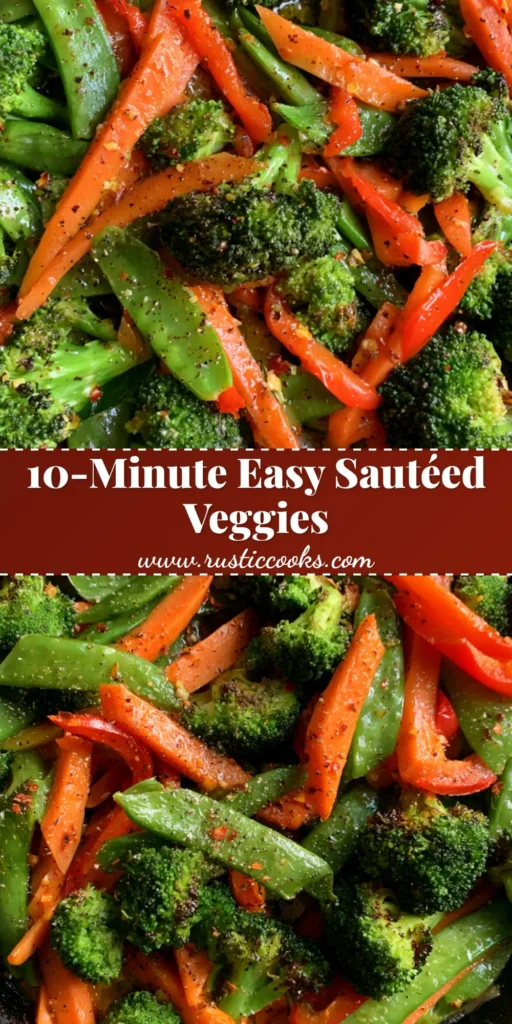
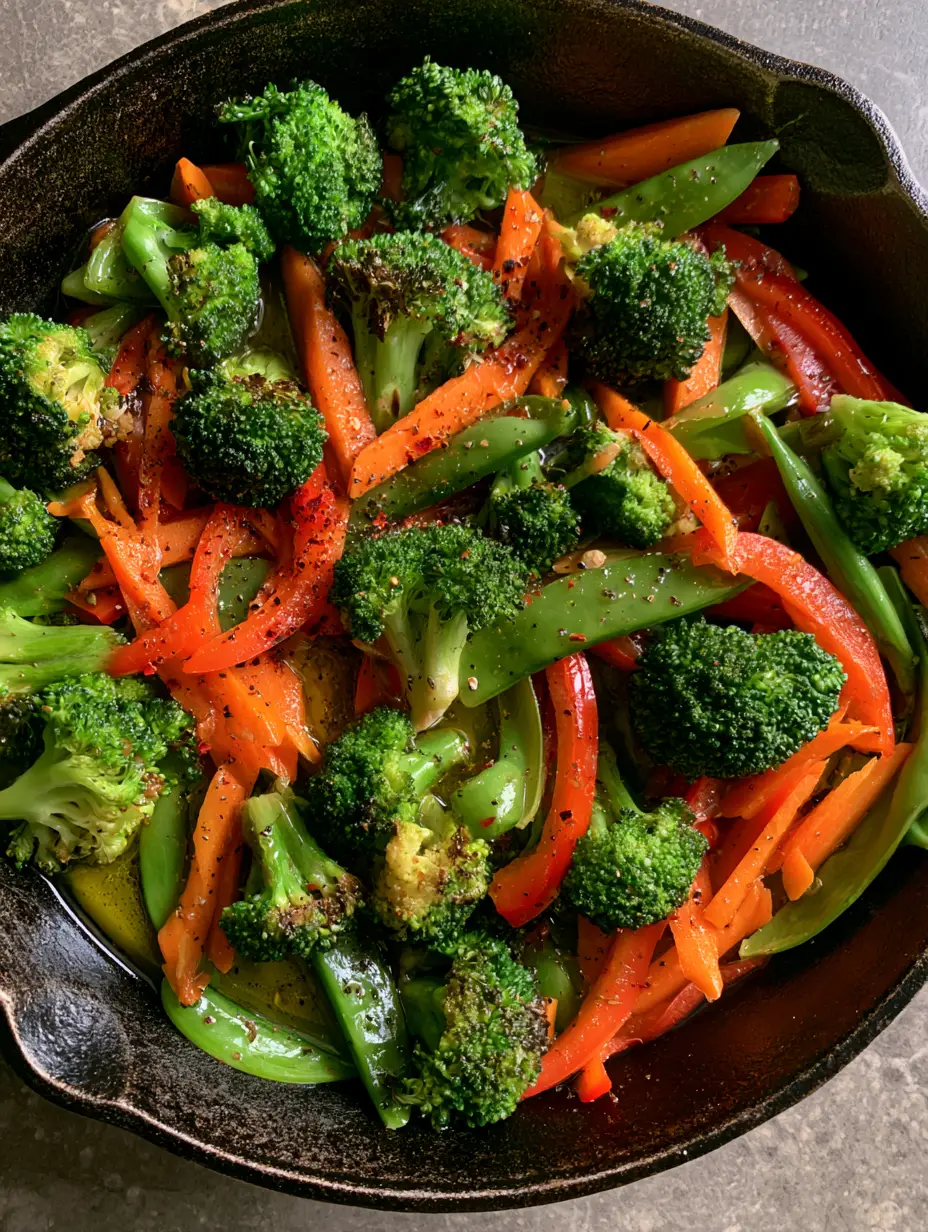
Sautéed Vegetables Recipe: The Ultimate Cast Iron Skillet Medley
Ingredients
Equipment
Method
- Place the cast iron skillet over medium-high heat until water droplets dance on the surface. Add olive oil.
- Add carrots and sauté for 2 minutes. Add broccoli florets and sear for 3-4 minutes until charred edges appear.
- Toss in peppers and snap peas. Sauté for 2-3 minutes until bright and crisp-tender.
- Remove from heat. Add salt, black pepper, and red pepper flakes. Toss to glaze and serve immediately.
Notes
Add salt only at the very end to prevent the vegetables from releasing moisture too early.
Closing & Call to Action
We hope this Sautéed Vegetables Recipe becomes a staple in your kitchen. The combination of simple ingredients and professional techniques proves that healthy eating never has to be boring. If you enjoyed the charred textures and vibrant colors of this dish, please leave a comment below and tell us which vegetable was your favorite!
Don’t forget to sign up for our newsletter for more skillet-based secrets and forensic recipe breakdowns. If you want to save this for later, make sure to share it to your boards on Pinterest so you always have the perfect side dish at your fingertips.